Starting with Salesforce CRM pricing, this paragraph aims to provide an engaging overview of the topic, setting the tone for the detailed discussion ahead.
The paragraph continues to highlight the key aspects and importance of understanding Salesforce CRM pricing for businesses of all sizes.
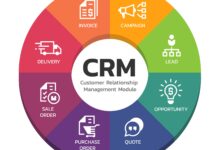
Detailed Explanation of Salesforce CRM Pricing Plans
When considering Salesforce CRM pricing plans, it’s essential to understand the features and limitations of each option to make an informed decision. Let’s break down the pricing plans offered by Salesforce CRM and compare them in terms of scalability and suitability for different business sizes.
Essentials
- Designed for small businesses looking for basic sales and customer support capabilities.
- Limited customization options compared to higher-tier plans.
- Offers basic reporting and dashboard features.
Professional
- Suitable for growing businesses with more advanced sales and marketing needs.
- Includes automation features and customizable reports.
- Allows for integrations with third-party apps.
Enterprise
- Geared towards large enterprises requiring extensive customization and support.
- Advanced analytics and forecasting capabilities.
- Supports complex workflows and automation rules.
Unlimited
- Best suited for large organizations with complex CRM requirements.
- Offers unlimited customizations and support options.
- Advanced security features and API access.
| Plan | Features | Limitations |
|---|---|---|
| Essentials | Basic sales and support | Limited customization |
| Professional | Advanced automation | Restricted API access |
| Enterprise | Complex workflows | No sandbox environments |
| Unlimited | Extensive customization | Higher cost |
Factors Influencing Salesforce CRM Pricing
When it comes to determining the cost of using Salesforce CRM, several key factors come into play. These factors can significantly impact the overall pricing structure and customization options available to users.
User Licenses
User licenses play a crucial role in Salesforce CRM pricing. The type and number of user licenses required for your organization can greatly influence the total cost. Different user licenses offer varying levels of access and functionality within the platform, with each license tier priced accordingly. For example, a basic user license may provide limited access to features, while an advanced user license may offer more comprehensive capabilities at a higher cost.
Customization and Add-On Features
Customization and add-on features can also affect the overall pricing of Salesforce CRM. The extent to which you customize the platform to suit your specific business needs, as well as the addition of extra features beyond the standard offerings, can impact the total cost. Customizations such as tailored workflows, unique data fields, or integrations with other tools may incur additional expenses. Similarly, opting for add-on features like advanced analytics, marketing automation, or customer service enhancements can increase the pricing of your Salesforce CRM subscription.
Salesforce CRM Pricing Tiers
When it comes to Salesforce CRM pricing, there are various tiers or editions available to cater to different business needs and budgets. Each pricing tier comes with its own set of features and limitations, making it important for businesses to choose the one that aligns best with their requirements.
Essential
- Basic CRM functionality
- Account and Contact Management
- Opportunity Tracking
- Lead Management
This tier is ideal for small businesses or startups looking to get started with CRM and manage their customer data effectively.
Professional
- Advanced CRM features
- Customizable Dashboards
- Workflow Automation
- Sales Forecasting
Businesses that are looking to scale and streamline their sales processes would benefit from the Professional tier.
Enterprise
- Customizable CRM solutions
- Integration with External Systems
- Role-Based Access Control
- Advanced Reporting
Enterprises with complex sales and marketing operations would find the Enterprise tier suitable for their needs.
Unlimited
- Unlimited Customization Options
- 24/7 Support
- Sandbox Environment
- Unlimited Online Training
Large organizations with extensive customization requirements and a need for premium support would benefit from the Unlimited tier.
Hidden Costs in Salesforce CRM Pricing
When considering Salesforce CRM pricing, it’s important to be aware of potential hidden costs that could impact your overall expenses. These costs may arise from additional fees for premium features, support services, integrations, data storage, custom development work, maintenance, training, onboarding, scalability, compliance, and security measures.
Premium Features and Support Services
- Some advanced features or functionalities may require an additional fee on top of the standard pricing plans.
- Premium support services, such as dedicated account managers or 24/7 support, may come at an extra cost.
Third-Party Integrations and Data Storage
- Integrating third-party applications or services with Salesforce CRM may involve additional expenses, especially if custom development work is needed.
- Higher data storage needs can result in increased costs, as Salesforce typically charges based on the amount of data stored.
Training and Onboarding
- Training and onboarding fees can add up, especially if you require extensive training for your team or personalized onboarding services.
- Scalability costs should also be considered, as your CRM usage grows, additional licenses or features may be needed.
Compliance and Security Measures
- Ensuring compliance with regulations or implementing robust security measures may require investing in additional tools or services, impacting your overall CRM expenses.
Comparison Table of Pricing Tiers
| Pricing Tier | Features Included | Additional Charges |
|---|---|---|
| Basic | Standard CRM features | Additional fees for premium features |
| Advanced | Advanced CRM functionalities | Extra charges for integrations or data storage |
| Enterprise | Enterprise-level features and support | Custom development work or compliance costs |
Customization Options and Pricing
Customization plays a crucial role in tailoring Salesforce CRM to meet the specific needs of a business. Let’s explore the various customization options available in Salesforce CRM and how they impact pricing.
Custom Fields and Objects
- Custom fields allow users to capture unique data points relevant to their business processes.
- Creating custom objects enables users to build specialized modules to track specific information.
- Cost: Custom fields and objects are usually included in higher-tier pricing plans or require additional fees for customization.
Workflow Automation
- Automating repetitive tasks and processes enhances efficiency and productivity.
- Users can create custom workflows to streamline operations and notifications.
- Cost: Workflow automation features are often included in mid to high-tier pricing plans.
Integration and API Access
- Integrating Salesforce CRM with other applications and systems improves data consistency and accessibility.
- API access allows for seamless data exchange between Salesforce and external platforms.
- Cost: Advanced integration capabilities may require additional fees or come with premium pricing plans.
Visualforce and Apex Development
- Visualforce allows users to create custom user interfaces and pages within Salesforce CRM.
- Apex development enables the creation of custom logic and functionality.
- Cost: Visualforce and Apex development are typically advanced customization options that may incur extra charges or require expertise.
Negotiating Salesforce CRM Pricing
When it comes to negotiating Salesforce CRM pricing, there are a few tips and tactics that can help you secure a better deal. Whether you are a small business or a large enterprise, negotiating pricing with Salesforce can lead to cost savings and better value for your investment.
Understand Your Needs and Budget
Before entering into negotiations with Salesforce, it is essential to have a clear understanding of your organization’s needs and budget constraints. By knowing exactly what features and functionalities are crucial for your business, you can negotiate a pricing plan that aligns with your requirements without paying for unnecessary add-ons.
- Identify key features and functionalities that are non-negotiable for your business operations.
- Calculate a budget range that you are willing to invest in Salesforce CRM.
- Consider any future scalability requirements that may impact pricing negotiations.
Build a Relationship with the Salesforce Sales Representative
Building a positive relationship with the Salesforce sales representative can improve your negotiating position. By fostering open communication and demonstrating your commitment to a long-term partnership, you may be able to secure discounts or customized pricing plans that meet your needs.
- Schedule meetings to discuss your requirements and address any concerns or questions you may have.
- Express your interest in a long-term partnership with Salesforce to leverage potential discounts or incentives.
- Ask for references from other clients who have negotiated pricing successfully with Salesforce.
Timing Is Key
Timing plays a crucial role in negotiating Salesforce CRM pricing. It is best to initiate pricing discussions towards the end of Salesforce’s fiscal quarters or year when sales representatives may be more inclined to offer discounts to meet their sales targets. Additionally, exploring pricing options during promotional periods or special events can also lead to cost savings for your organization.
- Monitor Salesforce’s fiscal calendar to identify optimal timing for pricing negotiations.
- Keep an eye out for promotional offers or discounts that Salesforce may be running during specific periods.
- Be prepared to negotiate pricing based on the market demand and Salesforce’s sales targets.
Pricing Comparison with Competitors
When comparing Salesforce CRM pricing with other leading CRM software providers in the market, it is important to consider the strengths and weaknesses of each option. Understanding the value proposition of Salesforce CRM pricing compared to its competitors can help businesses make informed decisions.
Strengths and Weaknesses
- Salesforce CRM offers a wide range of pricing plans to cater to businesses of all sizes, from small startups to large enterprises. This flexibility is a strength compared to some competitors who may have more rigid pricing structures.
- One of the weaknesses of Salesforce CRM pricing is that it can be more expensive than some competitors, especially for businesses with specific customization needs or larger user bases.
- However, Salesforce CRM is known for its robust features and capabilities, which can justify the higher price point for many businesses looking for a comprehensive CRM solution.
Value Proposition
- While Salesforce CRM may have a higher price tag compared to some competitors, its value proposition lies in the scalability, customization options, and integration capabilities that it offers. Businesses looking for a CRM solution that can grow with their needs and streamline their operations may find the investment in Salesforce CRM worthwhile.
- Furthermore, Salesforce CRM has a strong reputation in the market and a large user base, which can provide businesses with access to a wealth of resources, support, and third-party integrations that may not be as readily available with other CRM providers.
Discounts and Promotions in Salesforce CRM Pricing
Discounts and promotions play a crucial role in driving sales and fostering customer loyalty within Salesforce CRM. By strategically offering discounts and promotions, businesses can attract new customers, retain existing ones, and ultimately increase revenue. Here’s a detailed look at how to effectively set up and utilize discounts and promotions in Salesforce CRM.
Creating Discount Codes in Salesforce CRM
To set up discounts in Salesforce CRM, follow these steps:
– Navigate to the Setup menu and select ‘Products and Price Books.’
– Click on ‘Price Books’ and create a new price book for the discounts.
– Create a new product record for the discounted item and set the list price.
– Generate a discount code and apply it to the product record.
– Ensure the discount code is visible to customers during the checkout process.
Types of Promotions in Salesforce CRM
Salesforce CRM allows for various types of promotions, including:
– Percentage discounts: Offer a percentage off the total purchase price.
– BOGO deals: Buy one, get one free or at a discounted rate.
– Free shipping offers: Provide free shipping on specific products or orders.
Best Practices for Maximizing Discounts and Promotions
To make the most of discounts and promotions in Salesforce CRM:
– Target specific customer segments with personalized promotions.
– Create urgency by setting expiration dates for discounts.
– Monitor the performance of discounts through Salesforce CRM analytics.
– Test different promotions to see what resonates best with customers.
Leveraging Discounts for Revenue Growth
By effectively leveraging discounts and promotions in Salesforce CRM, businesses can experience a significant boost in revenue and customer engagement. For example, offering a limited-time discount on a popular product can drive sales and create a sense of urgency among customers. Additionally, implementing a loyalty program with exclusive discounts can encourage repeat purchases and enhance customer loyalty.
Contract Options and Subscription Flexibility
When it comes to Salesforce CRM pricing, understanding the different contract options and subscription flexibility is crucial for businesses looking to invest in this platform. Let’s dive into the details to help you make an informed decision.
Types of Contract Options
- Long-term Contracts: Opting for a long-term contract with Salesforce can often lead to cost savings as providers tend to offer discounts for committing to a longer period. This option is suitable for businesses looking for stability and predictability in pricing.
- Month-to-Month Subscriptions: On the other hand, month-to-month subscriptions offer more flexibility and allow businesses to adjust their CRM usage based on evolving needs. While this option may be more expensive in the long run, it provides the freedom to scale up or down as required.
Choosing the Right Contract Option
- Assess Business Needs: Evaluate your business requirements, budget constraints, and growth projections to determine whether a long-term contract or month-to-month subscription aligns best with your goals.
- Consider Scalability: If your business operates in a dynamic environment where scalability is essential, a month-to-month subscription might be the better choice to accommodate changing needs.
- Budget Constraints: For businesses looking to save costs and maintain a fixed budget, a long-term contract with discounted rates could be a more suitable option.
- Vendor Relationship: Evaluate your relationship with the CRM provider and assess the level of service and support you receive before committing to a long-term contract.
ROI Calculation and Salesforce CRM Pricing
Calculating the return on investment (ROI) for Salesforce CRM is crucial to determine the value it brings to your business. By analyzing the costs versus the benefits, you can make informed decisions on the effectiveness of your CRM investment.
Factors Contributing to Positive ROI with Salesforce CRM
- Efficiency gains in sales, marketing, and customer service processes
- Improved customer retention and loyalty
- Increased revenue through better lead generation and conversion
- Cost savings from streamlined operations and reduced manual tasks
Analyzing Initial Investment Cost vs. Benefits
When calculating ROI, consider the initial setup and subscription costs of Salesforce CRM compared to the potential revenue increase or cost savings it can generate. Ensure to include factors like training, customization, and maintenance expenses in your analysis.
Key Metrics for Calculating ROI
| Metric | Description |
|---|---|
| Customer Acquisition Cost (CAC) | Cost to acquire a new customer through Salesforce CRM |
| Customer Lifetime Value (CLV) | Predicted revenue from a customer over their lifetime |
| Conversion Rate | Percentage of leads converted into paying customers |
| Customer Churn Rate | Rate at which customers stop doing business with your company |
Real-World ROI Scenarios
Companies across various industries have reported significant ROI percentages after implementing Salesforce CRM. For example, Company X saw a 30% increase in revenue within the first year, while Company Y achieved a 25% reduction in customer churn rate.
Long-Term ROI Implications
- Continued customer retention and loyalty leading to recurring revenue
- Efficiency gains resulting in cost savings and increased productivity
- Revenue growth through improved lead management and sales processes
Adjusting CRM Strategies for Optimal ROI
By regularly analyzing ROI metrics, businesses can fine-tune their CRM strategies to maximize returns. This may involve customizing workflows, optimizing campaigns, or investing in additional training to enhance user adoption and effectiveness.
Support and Training Costs
When implementing Salesforce CRM, it is crucial to consider the support and training costs associated with the platform. These costs play a significant role in maximizing the value and effectiveness of Salesforce CRM for your organization.
Types of Training Programs and Costs
- There are various training programs available for Salesforce CRM users, ranging from online courses to in-person workshops.
- The costs of these training programs can vary depending on the level of expertise needed and the duration of the training sessions.
- Online courses may range from free resources to paid certifications, while in-person workshops typically incur higher costs due to the hands-on training provided.
In-House vs. External Training
- In-house training allows organizations to customize the training content to suit their specific needs and can be cost-effective in the long run.
- External training, on the other hand, may provide access to specialized trainers and resources but can be more expensive.
- Organizations should weigh the benefits of in-house training against the expertise offered by external trainers to determine the most cost-effective option.
Cost-Saving Strategies
- One cost-saving strategy is to leverage online resources and self-paced learning modules to reduce the need for expensive in-person training sessions.
- Another strategy is to establish a train-the-trainer program within the organization to reduce reliance on external trainers and lower training costs over time.
Common Challenges and Solutions
- Common challenges faced by users, such as resistance to change or lack of user adoption, can lead to increased support costs.
- To address these challenges effectively, organizations should invest in ongoing training and change management initiatives to ensure successful implementation of Salesforce CRM.
A cost-benefit analysis can help organizations evaluate the return on investment in Salesforce CRM training and support, highlighting the long-term benefits of investing in comprehensive training programs.
Scalability and Upgrading Costs
When considering Salesforce CRM pricing, it is essential to factor in scalability and potential upgrading costs to ensure that the system can grow with your business needs.
Factors Influencing Scalability
- Number of users: The more users you have, the higher the cost of scaling up to accommodate them.
- Data storage: Increased data storage requirements may necessitate moving to a higher-tier plan.
- Advanced features: Access to advanced features often comes with a higher price tag for scalability.
Costs Associated with Upgrading
- One-time upgrade fee: Moving to a higher-tier plan may involve a one-time upgrade fee.
- Monthly subscription increase: Upgrading can lead to a higher monthly subscription cost.
- Training and support: Additional training and support costs may be required for new features.
Estimating Upgrading Costs
To estimate upgrading costs when transitioning to a higher-tier Salesforce CRM plan, consider factors such as the number of new users, data storage needs, and any additional features required. Calculate the potential increase in monthly subscription fees and any one-time upgrade fees to get a clearer picture of the overall cost.
It’s crucial to consider scalability when choosing a pricing plan to ensure that your CRM system can accommodate your business growth without incurring significant additional costs.
Renewal Process and Pricing Changes
When it comes to renewing a Salesforce CRM pricing plan, the process typically involves receiving a notification about the upcoming renewal, reviewing the new pricing details, and then confirming the renewal by accepting the updated terms.
Renewal Steps
- Users receive a notification email about the upcoming renewal of their Salesforce CRM pricing plan.
- They are directed to log in to their Salesforce account to view the new pricing details and changes.
- Users can review the impact of pricing changes on their current plan and evaluate if it still meets their needs.
- Once satisfied, users can proceed to confirm the renewal by accepting the updated pricing terms.
Notification of Pricing Changes
Existing users are typically notified about pricing changes during renewal through email notifications that clearly outline the modifications in pricing tiers, features, and any associated costs. It is essential for users to carefully review these notifications to understand how the changes may affect their current plan.
Sample notification email about pricing changes:
Dear valued customer,
We would like to inform you about the upcoming changes to our pricing plans. Beginning next month, there will be adjustments to our pricing tiers to better align with the value provided. Please log in to your account to review the new pricing details and understand how this may impact your current plan. Thank you for choosing Salesforce CRM.
Evaluating Impact of Pricing Changes
Existing users can evaluate the impact of pricing changes on their current plan by comparing the differences between the old and new pricing plans. It is important to assess if the changes offer additional value or if it may be more cost-effective to explore other pricing options or negotiate with Salesforce for a customized plan.
| Old Pricing Plan | New Pricing Plan |
|---|---|
| Basic Plan: $X/month | Basic Plan: $Y/month |
| Advanced Plan: $A/month | Advanced Plan: $B/month |
User Feedback on Salesforce CRM Pricing
User feedback on Salesforce CRM pricing varies, with a mix of sentiments expressed by customers. While some users praise the platform for its flexible pricing options and value for money, others have raised concerns about the high costs associated with certain features and customizations.
Positive Feedback
- Many users appreciate the scalability of Salesforce CRM pricing, allowing businesses to start with a basic plan and upgrade as needed.
- Customers have highlighted the ROI they have achieved with Salesforce CRM, emphasizing the impact on their business growth and efficiency.
- Positive reviews often mention the comprehensive support and training options provided by Salesforce, helping users maximize the platform’s capabilities.
Negative Feedback
- Some users have expressed frustration over hidden costs in Salesforce CRM pricing, such as additional charges for integrations or advanced features.
- Complaints about the lack of transparency in pricing tiers and the complexity of customization options have been raised by certain customers.
- A few users have mentioned difficulties in negotiating Salesforce CRM pricing, feeling that the platform’s costs can be prohibitive for smaller businesses.
Future Trends in Salesforce CRM Pricing
As the Salesforce CRM market continues to evolve, it is crucial to anticipate potential future trends in pricing to stay ahead of the competition and maximize value for businesses. Understanding how pricing strategies may change over time can help organizations adapt and make informed decisions.
Subscription-Based Pricing vs. One-Time Purchase Options
When looking at future trends in Salesforce CRM pricing, it is essential to consider the ongoing shift towards subscription-based models over traditional one-time purchase options. Subscription-based pricing offers more flexibility, scalability, and regular updates, aligning with the growing demand for cloud-based solutions.
- Subscription-based pricing provides businesses with the ability to pay for the services they use on a recurring basis, ensuring continuous access to the latest features and updates.
- One-time purchase options may become less common as organizations prioritize flexibility and cost-effectiveness, driving the adoption of subscription-based pricing models.
- Emerging technologies and changing customer preferences are likely to further accelerate the transition towards subscription-based pricing in the Salesforce CRM market.
Competition and Pricing Strategies
Competition plays a significant role in shaping pricing strategies in the Salesforce CRM market, influencing how vendors differentiate themselves and attract customers based on pricing and value propositions.
- Intensifying competition among Salesforce CRM providers may lead to more competitive pricing strategies, including discounts, promotions, and bundled offerings to stand out in the market.
- Customer feedback and market research will continue to drive pricing decisions, as vendors strive to offer competitive pricing while delivering high-quality services and support.
- Global economic trends, regulatory changes, and advancements in technology will also impact pricing strategies, prompting vendors to adapt and innovate to meet evolving customer needs.
Impact of Emerging Technologies
Emerging technologies such as artificial intelligence, machine learning, and automation are poised to transform the Salesforce CRM landscape, influencing pricing models and the overall cost of implementation and maintenance.
- Integration of advanced technologies into Salesforce CRM solutions may lead to pricing adjustments to reflect the added value and capabilities offered to users.
- Automation of repetitive tasks and personalized customer experiences enabled by AI and machine learning could drive up pricing for more advanced features and functionalities.
- Businesses should stay informed about the latest technological developments and their implications on pricing to make strategic decisions and investments in Salesforce CRM.
Epilogue
In conclusion, Salesforce CRM pricing is a critical factor for businesses looking to optimize their CRM strategies and maximize ROI.
