CRM system pricing plays a crucial role in the success of businesses today, influencing decisions and strategies. Delve into the world of CRM system pricing to uncover its intricacies and impact.
Overview of CRM System Pricing
CRM system pricing refers to the cost associated with implementing and using customer relationship management software solutions. This includes licensing fees, implementation costs, customization fees, and ongoing maintenance expenses.
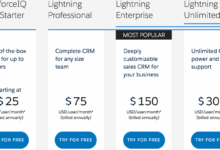

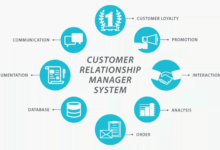
Understanding CRM system pricing is crucial for businesses looking to invest in these platforms. It helps companies budget effectively, choose the right solution based on their needs and budget, and avoid any unexpected costs down the line.
Key Factors Influencing CRM System Pricing
- Features and Functionality: The more advanced features and customization options a CRM system offers, the higher the price is likely to be.
- Deployment Method: Cloud-based CRM systems typically have a subscription-based pricing model, while on-premise solutions may have a higher upfront cost but lower ongoing fees.
- Number of Users: The more users that need access to the CRM system, the higher the overall cost will be.
- Integration Capabilities: CRM systems that can easily integrate with other business applications may come at a higher price point.
- Vendor Reputation: Established CRM vendors with a strong track record may charge higher prices compared to newer or lesser-known providers.
Types of CRM System Pricing Models
In the realm of CRM system pricing, various models exist to cater to different business needs and preferences. Let’s delve into the different pricing structures available and their respective advantages and disadvantages.
Subscription-Based Pricing vs. One-Time Payment Models
Subscription-based pricing involves recurring payments at regular intervals, offering continuous access to the CRM system. On the other hand, one-time payment models require a single upfront payment for perpetual use of the software. The former provides flexibility and affordability, while the latter offers cost-effectiveness in the long run.
Usage-Based Pricing
Usage-based pricing charges customers based on their actual usage of the CRM system, allowing for more tailored pricing according to individual needs. While this model offers cost efficiency for light users, heavy users may end up paying more than with a subscription-based plan.
Tiered Pricing for CRM Systems
Tiered pricing involves different pricing levels with varying features and capabilities. This allows businesses to choose a plan that best suits their requirements and budget, providing scalability as their needs grow.
Subscription-Based Pricing Breakdown
Subscription-based pricing typically operates on monthly or annual billing cycles, with discounts often offered for longer commitments. This model ensures continuous access to updates and support, promoting customer loyalty and satisfaction.
Implications of One-Time Payment Models
One-time payment models may deter customer retention as they lack the ongoing support and updates provided by subscription-based plans. However, they can generate immediate revenue streams and appeal to businesses seeking a one-time investment.
Factors to Consider in Choosing Pricing Models
When deciding between usage-based pricing and other models, businesses should consider factors such as their usage patterns, budget constraints, and scalability requirements. It is essential to align the pricing model with the company’s long-term goals and growth strategy.
Beneficiaries of Tiered Pricing Structures
Industries or businesses with varied user needs and budgets benefit most from tiered pricing structures in CRM systems. This allows them to tailor their CRM solution to fit their specific requirements, ensuring optimal usage and cost-effectiveness.
Factors Affecting CRM System Pricing
When it comes to determining the pricing of CRM systems, several factors come into play. The number of users, features and functionalities, and customization options all play a significant role in shaping the overall cost of a CRM system.
Impact of Number of Users on Pricing
The number of users accessing a CRM system directly impacts its pricing structure. Typically, CRM vendors offer different pricing tiers based on the number of users. The more users you have, the higher the cost is likely to be. This is because more users mean more resources are needed to support them, resulting in increased pricing to accommodate the additional load.
Role of Features and Functionalities in Pricing
The features and functionalities offered by a CRM system also heavily influence its pricing. Advanced features such as automation, analytics, and integration capabilities usually come at a premium. Vendors often provide different packages with varying levels of features, allowing businesses to choose the one that best fits their needs and budget. The more robust and comprehensive the features, the higher the price of the CRM system.
Impact of Customization Options on Pricing
Customization options, such as tailored workflows, unique integrations, and personalized dashboards, can significantly impact the overall cost of a CRM system. While customization allows businesses to tailor the CRM to their specific requirements, it often comes with additional costs. Vendors may charge extra for custom development work or specialized integrations, leading to a higher price tag for a fully customized CRM solution.
Hidden Costs in CRM System Pricing
When considering the pricing of a CRM system, it’s essential to take into account the various hidden costs that can impact the total expenses involved in implementation and maintenance.
Data Migration Costs
Data migration costs are often overlooked when budgeting for a CRM system. This process involves transferring existing data from old systems to the new CRM platform, which can be complex and time-consuming. Additionally, data cleansing and mapping may be required, adding to the overall cost of implementation.
Training and Support Costs
Training employees to effectively use the CRM system and providing ongoing support are crucial for successful adoption. These costs can include training materials, instructor fees, and ongoing support services. Neglecting to consider these expenses can lead to challenges in user adoption and hinder the system’s effectiveness.
Third-Party Integration Costs
Integrating a CRM system with other software applications or third-party tools is often necessary for optimizing functionality. However, the costs associated with these integrations, such as licensing fees or development costs, are frequently underestimated. It’s important to factor in these expenses to ensure a seamless and efficient system operation.
Customization Costs
Customizing a CRM system to meet specific business requirements can incur additional costs. Whether it involves tailoring workflows, creating custom reports, or developing unique features, customization can significantly impact the overall expenses of implementing a CRM system. It’s crucial to assess these costs upfront to avoid any surprises during the implementation process.
Ongoing Maintenance and Upgrade Costs
Maintaining and upgrading a CRM system is essential for keeping it up-to-date and ensuring optimal performance. Ongoing costs related to system updates, security patches, and technical support should be considered when evaluating the total cost of ownership for a CRM system. Ignoring these expenses can result in system vulnerabilities and decreased efficiency over time.
Pricing Strategies for CRM Systems
When it comes to pricing strategies for CRM systems, providers often implement various approaches to cater to different customer needs and market demands.
Tiered Pricing
- Tiered pricing involves offering different packages or tiers of CRM systems with varying features and pricing levels to accommodate customers with different requirements and budgets.
- This strategy allows customers to choose a plan that aligns with their specific needs, providing flexibility and scalability.
- Providers can attract a wider range of customers by offering options at different price points, increasing market reach and competitiveness.
Usage-based Pricing
- Usage-based pricing charges customers based on their actual usage of the CRM system, such as the number of users, storage space, or interactions.
- This model can be cost-effective for customers with fluctuating usage patterns, as they only pay for what they use.
- Providers can incentivize customers to use the system more efficiently by offering discounts for higher usage levels, promoting engagement and value.
Flat-Rate Pricing
- Flat-rate pricing offers a fixed price for the CRM system regardless of the features, users, or usage, providing simplicity and predictability for customers.
- This straightforward pricing model is easy to understand and budget for, appealing to customers who prefer a clear pricing structure.
- Providers can streamline billing processes and reduce complexity by offering a single, all-inclusive price for the CRM system, enhancing customer satisfaction.
Competitive Pricing Strategies
- Competitors’ pricing can significantly influence CRM system pricing, as providers may adjust their prices based on market trends, competitive positioning, and customer expectations.
- Discounts, promotional offers, and bundling strategies used by competitors can impact pricing decisions, as providers strive to attract and retain customers in a competitive market.
- Understanding competitors’ pricing strategies can help providers differentiate their offerings, communicate unique value propositions, and optimize pricing to maximize revenue.
Pricing and Perceived Value
- Pricing plays a crucial role in shaping customer expectations and loyalty in CRM systems, as it influences perceived value and quality perception.
- Customers may associate higher prices with better features, service quality, and support, leading to increased perceived value and willingness to pay.
- Providers need to balance pricing with perceived value to maintain customer satisfaction, trust, and loyalty, ensuring that pricing aligns with the benefits and outcomes delivered by the CRM system.
Dynamic Pricing vs. Fixed Pricing Models
- Dynamic pricing adjusts prices based on market conditions, demand, and other factors, allowing providers to optimize revenue and respond to changing customer needs.
- Fixed pricing models offer stable and consistent prices over time, providing predictability and transparency for customers, but may limit flexibility and responsiveness to market dynamics.
- Providers need to evaluate the advantages and disadvantages of dynamic pricing versus fixed pricing models to determine the most suitable approach for their CRM systems and target customers.
Pricing Transparency and Customer Trust
- Pricing transparency is essential for building customer trust and satisfaction within the CRM industry, as it fosters openness, honesty, and clarity in pricing practices.
- Customers value transparency in pricing, as it helps them make informed decisions, understand the cost-benefit relationship, and build long-term relationships with providers.
- Providers can enhance customer trust and satisfaction by being transparent about pricing, terms, conditions, and any additional costs, promoting a positive customer experience and loyalty.
Pricing Transparency in CRM System Providers
Transparency in CRM system pricing is crucial for customers to make informed decisions and understand the true value of the services they are paying for. Clear and straightforward pricing structures not only build trust with customers but also help them budget effectively and avoid any hidden costs or surprises down the line.
Importance of Pricing Transparency
- Builds trust: Transparent pricing builds credibility and trust with customers, showing that the CRM provider has nothing to hide.
- Enhances customer satisfaction: Customers appreciate knowing exactly what they are paying for and what to expect in terms of service.
- Encourages loyalty: When customers feel they are getting fair value for their money, they are more likely to stay loyal to the CRM provider.
Benefits of Clear Pricing Structures
- Easy comparison: Clear pricing structures allow customers to compare different CRM providers easily and choose the best option for their needs.
- Budgeting made simple: Customers can budget effectively when they know the exact costs involved, helping them avoid financial surprises.
- Avoids misunderstandings: Transparent pricing reduces the risk of misunderstandings or disputes between the CRM provider and the customer.
Improving Pricing Transparency
- Provide detailed breakdowns: CRM system providers should offer detailed breakdowns of pricing components, making it easy for customers to understand what they are paying for.
- Be upfront about fees: Clearly communicate any additional fees or charges upfront, so customers are aware of the total cost from the beginning.
- Offer pricing calculators: Providing pricing calculators can help customers estimate their costs based on their specific requirements.
Negotiating CRM System Pricing
Negotiating the pricing of CRM systems can significantly impact your overall investment and the value you receive. Here are some tips and strategies to help you secure the best pricing for your CRM system.
Tips for Negotiating Pricing with CRM System Vendors
- Be prepared with market research data and information on competitor pricing.
- Understand the pricing structure and components of the CRM system you are interested in.
- Ask for discounts based on volume, long-term contracts, or bundling of services.
- Negotiate for additional features or services to be included in the base price.
Common Negotiation Tactics for CRM Systems
- Use silence as a negotiation tactic to encourage the vendor to offer a better price.
- Express genuine interest but be willing to walk away if the pricing is not favorable.
- Highlight any unique needs or requirements that may justify a lower price.
- Compare pricing from multiple vendors to leverage better offers.
Maximizing Value in CRM System Pricing Negotiations
Focus on the overall value and ROI of the CRM system rather than just the upfront cost.
- Seek to understand the long-term benefits and cost savings the system can provide.
- Negotiate for training, support, and customization services to be included in the package.
- Clarify the terms of the contract and ensure there are no hidden costs or surprises.
Market Research for Competitive Pricing
- Research different CRM systems and their pricing models to identify industry standards.
- Compare features, functionality, and pricing plans to determine the best fit for your needs.
- Gather quotes from multiple vendors and use this data to negotiate better pricing.
Identifying Hidden Costs and Negotiating
Scrutinize the proposal for any hidden fees, maintenance costs, or add-on charges.
- Ask for a breakdown of all costs and ensure you understand the pricing structure.
- Negotiate to remove or reduce any unnecessary fees or charges that may inflate the total cost.
Successful Negotiation Scenarios with CRM Vendors
- Case Study: Company X negotiated a 20% discount by committing to a long-term contract and prepayment.
- Strategy: Highlighting the potential for future upgrades and expansion led to a reduced implementation fee.
- Example: Negotiating for additional user licenses at a discounted rate resulted in significant cost savings for Company Y.
Understanding Total Cost of Ownership (TCO) in CRM System Pricing
Total Cost of Ownership (TCO) is a comprehensive assessment of all direct and indirect costs associated with acquiring, implementing, and maintaining a CRM system. It goes beyond the initial purchase price to include expenses related to training, customization, integration, support, upgrades, and even potential downtime.
Components of TCO in CRM System Pricing
- Initial Purchase Cost: This includes the upfront expenses for acquiring the CRM software or service.
- Implementation and Customization Cost: Costs associated with configuring the CRM system to align with the specific needs and processes of the business.
- Training and Support Cost: Expenses for training employees to use the CRM system effectively and ongoing support from the provider.
- Integration Cost: Costs related to integrating the CRM system with existing software and systems within the organization.
- Upgrades and Maintenance Cost: Expenses for keeping the CRM system up-to-date with the latest features, security patches, and bug fixes.
- Downtime Cost: Potential losses incurred due to system downtime or inefficiencies that impact productivity and revenue.
Pricing Trends in the CRM System Industry
The pricing landscape in the CRM system industry is constantly evolving, influenced by various factors such as technological advancements, market demand, and competitive pressures. Let’s dive into some of the key pricing trends shaping the industry today.
Usage-based Pricing Models
Usage-based pricing models have gained popularity in the CRM system industry, allowing companies to pay based on the level of usage or number of users. This flexible pricing approach aligns costs with actual usage, providing more value to customers and promoting efficient resource allocation.
Impact of Cloud-based CRM Solutions
Cloud-based CRM solutions have revolutionized pricing trends by offering subscription-based models that eliminate the need for hefty upfront investments. This pay-as-you-go model provides scalability, accessibility, and cost-effectiveness, making CRM systems more accessible to businesses of all sizes.
Role of AI and Automation
The integration of AI and automation in CRM systems has influenced pricing strategies by enhancing efficiency, personalization, and predictive analytics. With AI-driven features, vendors can justify premium pricing for advanced functionalities that drive customer engagement and improve overall user experience.
Subscription-based vs. Perpetual Licensing Models
Subscription-based pricing models have become the norm in the CRM industry, offering affordability, flexibility, and continuous updates and support. In contrast, perpetual licensing models involve a one-time payment for lifetime access, with additional costs for upgrades and maintenance. The shift towards subscription-based models reflects the demand for ongoing value and innovation in CRM systems.
Customization and Scalability in Pricing
Customization and scalability play a crucial role in determining CRM system pricing, as businesses seek tailored solutions that meet their unique needs. Vendors often offer tiered pricing based on the level of customization and scalability required, allowing customers to choose the features that align with their specific requirements and budget.
Market Competition and Pricing Strategies
Market competition drives pricing strategies within the CRM system industry, with vendors constantly innovating and adjusting their pricing to stay competitive. Price wars, discounts, and promotional offers are common tactics used to attract and retain customers, highlighting the dynamic nature of pricing in a crowded market.
Tiered Pricing Models by Major CRM Vendors
Major CRM vendors utilize tiered pricing models to cater to diverse customer segments and pricing preferences. These models typically offer different levels of features, functionalities, and support based on the pricing tier, allowing customers to choose the most suitable option for their business needs.
Customer Feedback and Market Research
Customer feedback and market research are instrumental in setting competitive pricing for CRM systems, ensuring that pricing aligns with customer expectations, value perception, and market trends. By gathering insights from customers and analyzing market dynamics, vendors can fine-tune their pricing strategies to remain competitive and profitable.
Factors to Consider When Budgeting for a CRM System
When budgeting for a CRM system, there are several key factors that should be taken into consideration to ensure the investment aligns with business objectives and provides long-term value.
Scalability and Future Growth:
Scalability and Future Growth
One crucial factor to consider when budgeting for a CRM system is scalability and future growth. It is essential to choose a system that can grow with your business and accommodate increasing data and user needs over time. Investing in a scalable CRM system from the outset can help prevent the need for costly upgrades or replacements down the line.
Alignment with Business Objectives:
Alignment with Business Objectives
Another important consideration is aligning CRM system costs with your business objectives. It’s essential to evaluate how the CRM system will support your specific goals, whether it be improving customer relationships, increasing sales, or enhancing marketing efforts. By aligning costs with business objectives, you can ensure that the investment will deliver the expected return on investment.
Integration and Customization:
Integration and Customization
When budgeting for a CRM system, it’s crucial to consider integration and customization capabilities. Ensure that the CRM system can seamlessly integrate with your existing software and systems to avoid additional costs and complexities. Additionally, assess the level of customization required to meet your unique business needs and factor in any associated costs for customization services.
Data Security and Compliance:
Data Security and Compliance
Considering data security and compliance is vital when budgeting for a CRM system. Ensure that the system meets industry standards and regulations to protect sensitive customer data. Investing in a secure CRM system can help prevent costly data breaches and regulatory penalties in the long run.
User Training and Support:
User Training and Support
Don’t overlook the importance of user training and support when budgeting for a CRM system. Factor in the costs associated with training your team on how to effectively use the system and any ongoing support services provided by the CRM vendor. Investing in proper training and support can maximize user adoption and ensure the system’s success within your organization.
Case Studies on CRM System Pricing
Case studies offer valuable insights into how companies successfully manage CRM system pricing, providing real-world examples of effective strategies and outcomes. These studies showcase the diverse approaches different industries take when implementing CRM pricing models, shedding light on the factors that influence these decisions. By analyzing these cases, businesses can learn valuable lessons and gain a deeper understanding of pricing strategies in the CRM industry.
Case Study 1: Subscription-Based Pricing vs. One-Time Payment
- Company A, a software provider, implemented a subscription-based pricing model for its CRM system, allowing customers to pay a monthly fee for access to the platform.
- Company B, on the other hand, opted for a one-time payment model, where customers make a single upfront payment for the CRM system.
- By comparing the two approaches, we can evaluate the pros and cons of each model in terms of revenue generation, customer retention, and overall profitability.
- Customer segmentation and target market analysis played a crucial role in determining which pricing strategy was more suitable for each company.
Case Study 2: Impact of Pricing Strategies on Customer Retention
- Company C employed a dynamic pricing strategy for its CRM system, offering discounts and promotions to existing customers to encourage renewal and upselling.
- Through this approach, Company C was able to improve customer retention rates and increase customer lifetime value.
- Challenges such as pricing pressure from competitors and changing market dynamics were overcome by adapting the pricing strategy to meet customer needs.
- The case study highlights the importance of aligning pricing strategies with customer expectations to drive retention and acquisition in the CRM industry.
Case Study 3: Future Trends in CRM System Pricing
- Company D, a leading CRM provider, identified emerging trends in pricing models such as value-based pricing and outcome-based pricing.
- By embracing these innovative approaches, Company D was able to differentiate its offerings and attract a broader customer base.
- The case study underscores the need for companies to stay agile and adapt to evolving pricing trends to remain competitive in the rapidly changing CRM landscape.
- Anticipating future developments in pricing strategies can help businesses stay ahead of the curve and meet the evolving needs of customers in the CRM market.
Customization Options and Pricing Flexibility in CRM Systems
Customization options and pricing flexibility play a crucial role in determining the overall cost and effectiveness of CRM systems for businesses. By tailoring CRM solutions to meet specific needs and requirements, companies can optimize their processes and improve customer relationships.
Impact of Customization on CRM System Pricing
- Customization options can impact CRM system pricing significantly, as tailored features and functionalities may require additional development work and resources.
- Businesses should carefully evaluate the cost-benefit ratio of customization to ensure that the added expenses align with the expected benefits.
- Customization can result in a higher initial investment but may lead to long-term cost savings and improved efficiency.
Benefits of Pricing Flexibility for Businesses
- Pricing flexibility allows businesses to choose specific features and functionalities that align with their unique needs, avoiding unnecessary expenses on irrelevant functionalities.
- Companies can scale their CRM systems according to their growth and evolving requirements, ensuring that they only pay for what they need.
- Flexibility in pricing enables businesses to adapt to changing market conditions and customer demands without being constrained by fixed pricing structures.
Examples of Customization Impact on CRM System Cost
- Company A implemented extensive customization to integrate CRM with their existing ERP system, resulting in higher upfront costs but significant efficiency gains in the long run.
- Company B opted for minimal customization to keep costs low, but later realized the limitations of the off-the-shelf solution and incurred additional expenses to rectify the gaps.
- Company C strategically selected customization options based on their specific workflows, leading to improved user adoption and enhanced customer insights.
Determining Level of Customization Based on Business Size and Complexity
- Small businesses may benefit from out-of-the-box CRM solutions with minimal customization to keep costs low and implementation time short.
- Large enterprises with complex processes and unique requirements may require extensive customization to align CRM systems with their operations and achieve maximum ROI.
- Mid-sized companies should assess their current and future needs to determine the appropriate level of customization that balances cost and functionality.
Key Factors for Evaluating Cost-Effectiveness of Customization
- Business goals and objectives that drive the need for customization.
- Resource availability and technical expertise to implement and maintain customized CRM solutions.
- Long-term benefits and ROI potential of customization compared to standard CRM offerings.
Comparison of Pricing Structures Among CRM Providers
- Some CRM providers offer modular pricing where businesses can select add-on features for additional costs, allowing for tailored solutions without extensive customization.
- Other providers may have fixed pricing tiers with limited customization options, suitable for small businesses with straightforward requirements.
- Custom pricing models are available from certain providers that cater to enterprise-level clients with complex needs, offering flexibility in feature selection and pricing negotiation.
Case Studies on Successful CRM System Customization
- Company X leveraged CRM customization to streamline their sales processes, resulting in a 20% increase in lead conversion rates and improved customer satisfaction.
- Company Y integrated custom reporting features into their CRM system, enabling real-time analytics and data-driven decision-making, leading to a 15% reduction in customer churn.
- Company Z implemented personalized customer portals through CRM customization, enhancing customer engagement and loyalty, ultimately boosting revenue by 25%.
Cost-Benefit Analysis of CRM Customization
Businesses can conduct a cost-benefit analysis to compare the expenses associated with CRM customization against the potential benefits, such as increased efficiency, improved customer relationships, and higher ROI. By weighing the costs of customization against the expected returns, companies can make informed decisions on investing in tailored CRM solutions.
Pricing Comparison Across Different CRM System Providers
When selecting a CRM system for your business, it is crucial to compare pricing plans offered by different providers to find the best fit for your needs. Below is a comparative table of pricing plans offered by popular CRM system providers, along with an analysis of their structures, features, and limitations.
Salesforce
| Plan | Pricing | Features | Limitations |
|---|---|---|---|
| Essentials | $25/user/month | Basic CRM functionality | Limited customization options |
| Professional | $75/user/month | Advanced features like forecasting and analytics | Higher cost compared to competitors |
HubSpot CRM
| Plan | Pricing | Features | Limitations |
|---|---|---|---|
| Free | Free | Basic CRM tools | Limited advanced features |
| Starter | $45/month | More advanced marketing and sales tools | Restrictions on number of contacts |
Microsoft Dynamics 365
| Plan | Pricing | Features | Limitations |
|---|---|---|---|
| Customer Engagement Plan | $115/user/month | Includes CRM, ERP, and AI capabilities | Complexity may be overwhelming for small businesses |
| Sales Professional | $65/user/month | Focuses on sales automation and analytics | Integration with other Microsoft tools may require additional costs |
Subscription Renewal and Price Changes in CRM Systems
In the world of CRM systems, subscription renewals and price changes play a crucial role in maintaining customer satisfaction and loyalty. Here, we delve into how these factors can impact existing customers and the best practices for handling them.
Handling Subscription Renewals in CRM Systems
- Subscription renewals can affect CRM system pricing for existing customers by introducing changes in pricing tiers, features, or terms.
- It is vital for CRM providers to communicate renewal details clearly to customers well in advance to avoid confusion or unexpected costs.
- Offering personalized renewal options based on customer usage and needs can help retain customers and enhance their overall experience.
Managing Price Changes in CRM System Subscriptions
- When implementing price changes, CRM providers should follow best practices by notifying customers in advance and explaining the reasons behind the adjustments.
- Proactive communication about price changes can help build trust and credibility with customers, reducing the likelihood of negative reactions.
- Reactive approaches, such as responding to customer complaints after price changes, may lead to dissatisfaction and potential churn.
Customer Reactions and Communication Strategies
- Customer reactions to unexpected price increases in CRM systems can vary, with some expressing frustration or seeking alternatives.
- Transparency and open communication are key in managing customer expectations and addressing concerns related to price changes.
- Providing clear information on the value customers receive from the price adjustments can help justify the changes and maintain customer trust.
Personalized Offers and Discounts for Mitigating Dissatisfaction
- CRM providers can offer personalized discounts or incentives to customers affected by price changes, showing appreciation for their loyalty and understanding.
- Implementing targeted offers based on customer preferences and usage patterns can help offset any negative impact of price adjustments on customer satisfaction.
- By being proactive in addressing customer concerns and offering tailored solutions, CRM providers can navigate price changes effectively and maintain strong relationships with their customer base.
ROI Analysis for CRM System Investments
Investing in a CRM system can be a significant financial decision for businesses. Therefore, understanding the return on investment (ROI) is crucial to justify the pricing of CRM systems and ensure that the investment is worthwhile.
Calculating ROI for CRM System Investments
- ROI = (Net Profit from CRM Investment – Cost of CRM Investment) / Cost of CRM Investment
- Net Profit can include increased sales, reduced customer acquisition costs, improved customer retention, and operational efficiencies.
- Cost of CRM Investment includes the initial software purchase, implementation costs, training expenses, and ongoing maintenance fees.
Benefits of ROI Analysis
- Helps businesses quantify the impact of CRM system on their bottom line.
- Allows organizations to compare the benefits of CRM implementation against the costs involved.
- Enables businesses to make data-driven decisions on CRM system investments.
Examples of Measuring ROI from CRM System Investments
- A company increased its customer retention rate by 15% after implementing a CRM system, resulting in a 20% boost in annual revenue.
- Another business reduced its customer service response time by 30% using CRM automation tools, leading to a 25% decrease in operational costs.
- One organization improved its lead conversion rate by 10% through CRM analytics, resulting in a 5x ROI within the first year of implementation.
Last Recap
From hidden costs to innovative pricing strategies, CRM system pricing is a multifaceted realm that requires careful consideration. Stay informed, adapt to trends, and make informed decisions for your business’s growth.
