With Affordable CRM Software for Startups at the forefront, this paragraph opens a window to an amazing start and intrigue, inviting readers to embark on a storytelling journey filled with unexpected twists and insights.
CRM software is not just a tool; it’s a game-changer for startups looking to streamline operations, boost customer relationships, and drive growth. Let’s delve into the world of affordable CRM solutions tailored for the unique needs of startups.
Introduction to Affordable CRM Software for Startups
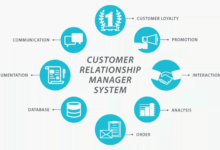
Customer Relationship Management (CRM) software is a tool that helps businesses manage interactions with current and potential customers. For startups, CRM software plays a crucial role in organizing customer data, improving communication, and streamlining sales and marketing processes.
Key Features of Affordable CRM Software for Startups
- Customizable and scalable solutions to meet the specific needs of startups.
- User-friendly interface for easy adoption and minimal training requirements.
- Automation of repetitive tasks to save time and increase efficiency.
- Integration with other business tools and software for seamless operation.
- Affordable pricing plans tailored for startups with limited budgets.
Benefits of Using CRM Software for Startups
- Improved customer relationships through personalized interactions and targeted marketing campaigns.
- Efficient lead management and conversion tracking to drive sales and revenue growth.
- Centralized customer data for better decision-making and strategic planning.
- Enhanced collaboration among team members for increased productivity and performance.
- Real-time analytics and reporting capabilities to measure the effectiveness of marketing efforts and sales strategies.
Cost-Effective CRM Solutions
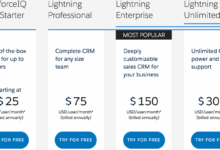
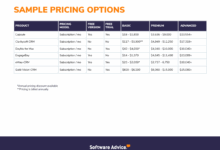
When it comes to choosing a CRM software solution for startups, cost-effectiveness is a crucial factor to consider. Let’s explore the pricing models, scalability options, and other factors that influence the affordability of CRM software for startups.
Pricing Models of CRM Software Options
- Option 1: Subscription-Based Model
- Option 2: Pay-Per-User Model
- Option 3: Freemium Model with Paid Add-Ons
Scalability Factors to Consider
- Ability to add more users without significant cost increase
- Flexibility to integrate new features as the business grows
- Cost implications of scaling up the CRM solution
Factors Influencing Cost-Effectiveness
- Customization Options: Additional costs for tailored features
- Customer Support: Importance of responsive and effective support services
- Training Resources: Cost of training employees to use the CRM system efficiently
| CRM Solution | Key Features | Pricing Structure | Scalability Options |
|---|---|---|---|
| CRM Option 1 | Feature 1, Feature 2, Feature 3 | Subscription-based, starting at $X per month | Additional users at $X per user |
| CRM Option 2 | Feature 1, Feature 3, Feature 5 | Pay-Per-User, starting at $X per user | Scalable pricing based on user count |
| CRM Option 3 | Feature 2, Feature 4, Feature 6 | Freemium with paid add-ons, basic features free | Customizable options for additional features |
In a real-life scenario, a startup implemented CRM Option 2, which allowed them to scale their user base seamlessly as the business expanded. The cost per user remained reasonable, and the integration of new features was smooth, leading to improved customer management and increased sales.
Customization Options
In the realm of CRM software for startups, customization plays a crucial role in tailoring the system to meet specific business needs and workflows. It allows startups to adapt the software to their unique requirements, enhancing efficiency and productivity.
Level of Customization Offered
When considering affordable CRM solutions, startups should look for platforms that offer a high level of customization. This includes the ability to customize fields, workflows, reports, and dashboards to align with the company’s processes. Some solutions may also provide options for creating custom modules or integrations.
- Custom Fields: Startups can add, modify, or remove fields within the CRM to capture relevant data specific to their business operations.
- Workflow Customization: Customizing workflows allows startups to automate processes, streamline tasks, and ensure consistency in operations.
- Report Customization: Tailoring reports to display key metrics and insights important to the business enables startups to make informed decisions based on real-time data.
- Dashboard Customization: Customizing dashboards provides a snapshot of important information at a glance, helping startups track performance and monitor progress effectively.
Tip: Startups should involve key stakeholders in the customization process to ensure that the CRM system meets the needs of various departments and functions within the organization.
Integration Capabilities
In today’s digital age, seamless integrations are crucial for e-commerce platforms utilizing payment gateways. These integrations ensure a smooth transaction process for customers and help streamline the overall business operations.
Essential Integrations for E-commerce Platforms with Payment Gateways
- Integration with major payment gateways such as PayPal, Stripe, Square, and Authorize.net is essential for accepting online payments securely and efficiently.
- Integrating with accounting software like QuickBooks or Xero allows for seamless financial management and tracking of transactions.
- CRM integration is important for syncing customer data and purchase history, enabling personalized marketing and customer service.
- Integration with shipping carriers like UPS, FedEx, or USPS ensures accurate shipping rates and tracking information for orders.
Selecting a Payment Gateway with Versatile Integration Options
When choosing a payment gateway for your e-commerce business, it is important to consider the following factors:
- Compatibility: Ensure that the payment gateway is compatible with your e-commerce platform and CRM software to facilitate smooth data transfer.
- Security: Choose a payment gateway that prioritizes data security and compliance with industry standards to protect your customers’ sensitive information.
- Cost: Evaluate the transaction fees, setup costs, and any additional charges associated with the payment gateway to ensure it aligns with your budget.
- Integration Options: Look for a payment gateway that offers a wide range of integration options with popular e-commerce platforms, accounting software, and CRM systems to meet your business needs.
User-Friendly Interface
Having a user-friendly interface is crucial for startups adopting CRM software as it ensures smooth onboarding, increased user adoption, and overall efficiency in managing customer relationships. A well-designed interface can simplify complex processes, streamline workflows, and improve employee productivity.
Comparison of Affordable CRM Solutions
- Zoho CRM offers a clean and intuitive interface with customizable dashboards and drag-and-drop features for easy navigation.
- HubSpot CRM provides a user-friendly interface with a simple layout, making it easy for users to access essential tools and features.
- Salesforce Essentials offers a modern and visually appealing interface that can be customized to fit the specific needs of startups.
Training Practices for Efficient CRM Software Usage
- Provide Hands-On Training: Conduct interactive training sessions to familiarize employees with the CRM software and its interface.
- Create User Guides: Develop comprehensive user guides and manuals to help employees navigate the CRM interface effectively.
- Offer Ongoing Support: Provide continuous support and feedback to address any issues or challenges employees may face while using the CRM software.
Customizing the Interface for Startup Needs
- Identify Key Requirements: Determine the specific needs and preferences of your startup to tailor the CRM interface accordingly.
- Personalize Dashboards: Customize dashboards, layouts, and widgets to display relevant information and metrics for better decision-making.
- Integrate Third-Party Apps: Enhance the CRM interface by integrating third-party applications that complement your startup’s operations.
Role of User Feedback in Interface Improvement
- Collect Feedback Regularly: Gather feedback from users to identify pain points, usability issues, and suggestions for interface enhancements.
- Prioritize User Experience: Use feedback to prioritize interface improvements that can enhance user experience and streamline workflow processes.
- Iterate and Update: Continuously iterate on the CRM interface based on user feedback to ensure it remains user-friendly and aligned with startup needs.
Automation Features
Automation features in affordable CRM software play a crucial role in streamlining processes and increasing efficiency for startups. By automating repetitive tasks, startups can focus more on building customer relationships and growing their business.
Examples of Automation Tasks
- Automated email campaigns to nurture leads and engage with customers.
- Automated task assignments to team members based on predefined rules and criteria.
- Automated follow-up reminders to ensure timely communication with prospects and clients.
- Automated data entry to eliminate manual errors and save time on administrative tasks.
Impact of Automation on Productivity
Automation in CRM software can significantly enhance productivity for startups by reducing manual work, improving accuracy, and ensuring consistent follow-up with leads and customers. By automating routine tasks, startups can allocate their resources more effectively, focus on strategic activities, and ultimately achieve better results in less time.
Customer Support
Customer support plays a crucial role in the success of startups utilizing CRM software. It ensures that businesses have the necessary assistance to maximize the benefits of their CRM solutions. Let’s take a look at how different affordable CRM providers offer customer support and how startups can make the most of these services.
Comparing Customer Support Services
When choosing an affordable CRM software for your startup, it’s essential to consider the level of customer support provided by the providers. Some CRM solutions offer 24/7 support through various channels such as phone, email, live chat, or help center. Others may provide dedicated account managers or training resources to assist startups in onboarding and using the CRM effectively. Compare the customer support services of different CRM solutions to ensure you have the necessary support when needed.
Tips for Maximizing Support
To maximize the support offered by CRM software providers, startups can follow these tips:
- Utilize training resources: Take advantage of any training materials or resources provided by the CRM software provider to ensure your team is well-equipped to use the CRM effectively.
- Engage with customer support: Don’t hesitate to reach out to customer support whenever you encounter issues or have questions. They are there to help you navigate any challenges you may face.
- Join user communities: Many CRM providers have user communities or forums where startups can connect with other users, share best practices, and seek advice on using the CRM software efficiently.
- Provide feedback: Share your feedback with the CRM software provider to help them improve their services and better cater to the needs of startups. Your input can shape the future developments of the CRM software.
Data Security
Ensuring data security is paramount when it comes to using CRM software for startups. The sensitive information stored in CRM systems, such as customer details and business data, must be protected from unauthorized access and cyber threats.
Importance of Data Security in CRM Software
Data security in CRM software is crucial to safeguard sensitive information, maintain customer trust, and comply with data protection regulations. Startups need to prioritize data security to prevent data breaches and potential financial losses.
Measures Taken by Affordable CRM Solutions
- Encryption of data at rest and in transit to prevent unauthorized access.
- Role-based access control to limit user permissions and restrict sensitive data access.
- Regular data backups to prevent data loss in case of system failures or cyber attacks.
- Implementing multi-factor authentication for enhanced login security.
Recommendations for Enhancing Data Security
Startups can enhance data security while using CRM software by:
- Regularly updating the CRM software to patch security vulnerabilities.
- Training employees on data security best practices and the importance of safeguarding sensitive information.
- Conducting regular security audits to identify and address potential security risks.
Key Features for Ensuring Data Security in CRM Software
| Feature | Description |
|---|---|
| Encryption | Secure data transmission and storage through encryption techniques. |
| Access Control | Restrict user access based on roles and permissions to protect sensitive data. |
| Authentication | Implement multi-factor authentication for secure user logins. |
| Backup and Recovery | Regularly backup data to prevent loss and enable quick recovery in case of emergencies. |
Encrypting Sensitive Data in CRM System
// Sample code for encrypting sensitive data in a CRM system
function encryptData($data)
// Encryption algorithm implementation here
Role of Employee Training in Data Security
Employee training plays a crucial role in maintaining data security within CRM software for startups. By educating employees on data security best practices, companies can reduce the risk of human errors and enhance overall data protection measures.
Mobile Accessibility
Mobile accessibility is crucial for startups utilizing CRM software as it allows employees to access important customer data, manage tasks, and communicate with clients on the go. With the increasing reliance on smartphones and tablets, having a mobile CRM application can significantly boost productivity and efficiency.
Comparing Mobile Applications
- Some affordable CRM solutions offer mobile apps with limited features compared to their desktop versions, while others provide full functionality on mobile devices.
- It’s essential for startups to choose a CRM software with a mobile app that meets their specific needs and allows seamless integration between devices.
Maximizing Productivity
- Encourage employees to use the mobile CRM app for quick access to customer information and updates while on the field or working remotely.
- Set up notifications and reminders to ensure no important tasks or follow-ups are missed, even when away from the office.
Customizing CRM Mobile App Settings
- Guide employees on how to personalize their mobile CRM app settings to prioritize key activities, contacts, and reports for easy access.
- Provide training on setting up data synchronization preferences to ensure consistency between desktop and mobile platforms.
Real-Time Data Synchronization
- Explain the importance of real-time data synchronization between desktop and mobile CRM platforms to avoid discrepancies and ensure up-to-date information across all devices.
- Emphasize the need for a reliable internet connection to maintain seamless synchronization and prevent data loss.
Must-Have Features in a Mobile CRM App for E-commerce Startups
- Integration with e-commerce platforms for easy order processing and customer management.
- Offline access to customer data for situations with limited connectivity.
- Customizable dashboards for quick access to key metrics and performance indicators.
- Secure payment processing capabilities for in-app transactions and sales tracking.
Ensuring Data Security and Privacy
- Implement two-factor authentication for added security when accessing CRM software on mobile devices.
- Regularly update the mobile CRM app to patch security vulnerabilities and protect sensitive customer information.
Reporting and Analytics
Effective reporting and analytics are essential for startups to track their performance, identify trends, and make informed decisions. Let’s explore how affordable CRM software can help startups in this area.
Types of Reports Generated Using CRM Software
- Sales Reports: Track sales performance, revenue generated, and conversion rates.
- Marketing Reports: Monitor campaign effectiveness, lead generation, and ROI.
- Customer Service Reports: Measure response times, resolution rates, and customer satisfaction levels.
- Customized Reports: Create personalized reports based on specific business needs and metrics.
Leveraging Analytics for Data-Driven Decisions
Analytics provided by CRM software can offer valuable insights that startups can use to optimize their strategies and operations. By analyzing data, startups can:
- Identify customer preferences and behavior patterns to tailor marketing campaigns.
- Forecast sales trends and set realistic revenue goals based on historical data.
- Improve customer service by identifying areas for enhancement and implementing proactive solutions.
- Track the performance of various departments and adjust resources accordingly for better efficiency.
Collaboration Tools
In the realm of CRM software for startups, collaboration tools play a crucial role in enhancing communication and teamwork within the organization. These tools facilitate seamless interaction among team members, ensuring that everyone is on the same page and working towards common goals.
Collaborative Features Offered by Affordable CRM Solutions
- Shared Calendars: Allows team members to schedule and coordinate tasks efficiently.
- Task Assignment: Enables managers to assign tasks to specific team members and track their progress.
- Real-Time Chat: Provides a platform for instant messaging and quick communication among team members.
- File Sharing: Allows for the sharing of documents, presentations, and other files within the CRM software.
Examples of How Startups Can Benefit from Improved Collaboration Using CRM Software
- Increased Efficiency: By having all team members collaborate within the CRM software, startups can streamline processes and avoid miscommunications.
- Enhanced Communication: Improved collaboration tools foster better communication among team members, leading to a more cohesive work environment.
- Boosted Productivity: With tasks, deadlines, and discussions centralized in the CRM software, startups can ensure that everyone is working towards common objectives efficiently.
Onboarding Process
When startups adopt affordable CRM software, the onboarding process plays a crucial role in ensuring a successful implementation. A smooth onboarding experience can set the tone for how effectively the software will be utilized by the team.
Importance of Smooth Onboarding
- Reduces resistance to change and increases user adoption rates.
- Helps in maximizing the benefits of the CRM software from the start.
- Creates a positive first impression and fosters confidence in the new system.
Tips for Streamlining Onboarding
- Assign a dedicated onboarding team to guide the process.
- Set clear objectives and timelines for each stage of onboarding.
- Provide hands-on training sessions and resources for employees.
Key Components of Comprehensive Onboarding Plan
- Initial assessment of startup’s needs and goals.
- Data migration and system setup tailored to startup’s requirements.
- Customization of CRM software to align with startup’s processes.
- User training and ongoing support mechanisms.
Different Onboarding Strategies
- Self-service onboarding for small startups with simple needs.
- Guided onboarding with dedicated support for medium-sized startups.
- Hands-on training and customization for larger startups with complex requirements.
Checklist for Startups during Onboarding
- Define onboarding goals and success metrics.
- Prepare data for migration and system configuration.
- Create a training schedule for employees.
- Regularly review progress and address any challenges.
Customizing CRM Software during Onboarding
Startups can customize the CRM software during the onboarding phase by configuring fields, workflows, and reports to match their specific needs. This ensures that the software aligns with the startup’s unique processes and requirements.
Training Employees on CRM Software
- Provide hands-on training sessions with real-world examples.
- Offer online resources and tutorials for self-paced learning.
- Encourage continuous learning and feedback to maximize software utilization.
Successful Onboarding Experiences
Company XYZ in the tech industry implemented a structured onboarding plan, focusing on user training and customization, leading to a seamless transition to the new CRM software.
Training and Resources
Training resources play a crucial role in helping startups maximize the benefits of affordable CRM software. Continuous learning and skill development are essential for startup teams to leverage the full potential of CRM tools. Here are some best practices for startups to make the most of training resources provided by CRM software vendors.
Utilize Online Tutorials and Documentation
- Take advantage of online tutorials and documentation provided by CRM software vendors to learn about the features and functionalities of the system.
- Explore step-by-step guides, video tutorials, and FAQs to deepen your understanding of how to use the CRM software effectively.
- Encourage team members to independently access these resources to enhance their skills and knowledge.
Attend Webinars and Training Sessions
- Participate in webinars and training sessions organized by CRM software vendors to gain insights into advanced features and best practices.
- Interact with experts and industry professionals during these sessions to get valuable tips on optimizing CRM usage for your startup.
- Encourage team members to attend these sessions to foster a culture of continuous learning within your startup.
Engage in Hands-On Practice
- Allocate time for team members to engage in hands-on practice with the CRM software to apply their learning in a practical setting.
- Encourage experimentation and exploration of different features to discover new ways of using the CRM system to benefit your startup.
- Provide opportunities for team members to share their experiences and insights to foster collaboration and knowledge sharing.
Scalability and Growth
Scalability is crucial for startups looking to grow and expand their operations. Affordable CRM software plays a vital role in supporting this growth by providing the necessary tools and features to manage increasing customer data, streamline processes, and improve overall efficiency.
Key Scalability Features for Startups
- Customization Options: Startups should look for CRM software that offers extensive customization capabilities to adapt to changing business needs as they scale.
- Integration Capabilities: Seamless integration with other business tools and platforms allows startups to consolidate data and workflows for improved efficiency.
- Automation Features: Automation of repetitive tasks and workflows helps startups save time and allocate resources more effectively as they grow.
Having the ability to scale seamlessly is essential for startups aiming for rapid growth and expansion.
Examples of Successful Startup Scaling with Affordable CRM Solutions
One notable example is XYZ Inc., a tech startup that utilized affordable CRM software to manage their growing customer base and automate marketing campaigns, resulting in a 40% increase in sales within a year.
Comparison of Pricing Plans for Popular CRM Software for Startups
| CRM Software | Basic Plan | Standard Plan | Premium Plan |
|---|---|---|---|
| CRM A | $20/month | $40/month | $60/month |
| CRM B | $25/month | $50/month | $75/month |
| CRM C | $30/month | $45/month | $70/month |
Data migration capabilities are crucial for startups looking to scale, as they need to seamlessly transfer their existing data to a more robust CRM system without losing valuable information.
Customer Success Stories
Customer success stories serve as valuable examples of how startups have benefitted from utilizing affordable CRM software. These real-life examples showcase the tangible impact of CRM solutions on the growth and success of businesses. Let’s delve into some key takeaways from successful startup stories involving CRM software implementation.
Impact on Startup Growth
- One startup in the e-commerce industry saw a 30% increase in customer retention within the first six months of implementing CRM software.
- Another tech startup reported a 20% improvement in lead conversion rates after integrating CRM solutions into their sales process.
- A healthcare startup streamlined patient management and communication, resulting in a 25% reduction in administrative tasks and improved patient satisfaction.
Industry-specific Growth
- In the retail sector, startups experienced a 15% increase in sales revenue by leveraging CRM software to personalize customer interactions and offer targeted promotions.
- Startups in the SaaS industry utilized CRM tools to track customer feedback and enhance product development, leading to a 20% increase in customer satisfaction and product adoption rates.
- Service-based startups improved customer service response times by 40% through CRM automation, resulting in higher customer retention and referrals.
Before-and-After Scenarios
- Before adopting CRM software, startups struggled with manual data entry, disjointed communication channels, and limited insights into customer behavior.
- After CRM implementation, startups experienced streamlined processes, centralized customer data, automated workflows, and data-driven decision-making capabilities.
- The transformation post-CRM adoption led to improved operational efficiency, increased customer engagement, and overall business growth for these startups.
Closing Notes
As we wrap up our exploration of Affordable CRM Software for Startups, it’s evident that these tools are more than just software—they are catalysts for success. By leveraging cost-effective solutions, customizable features, and seamless integrations, startups can pave the way for sustainable growth and enhanced customer experiences.
