At the forefront of our discussion is the intriguing topic of Salesforce CRM cost. Delve into the intricacies of factors, pricing models, and cost-saving strategies that shape the expenses associated with this powerful CRM platform.
Explore the nuances of customization costs, licensing fees, and hidden expenses to gain a comprehensive understanding of managing Salesforce CRM expenses effectively.

Factors affecting Salesforce CRM cost
When considering the cost of implementing Salesforce CRM, several key factors come into play that can influence the overall expenses involved. Understanding these factors is crucial for organizations looking to adopt Salesforce CRM effectively and efficiently.
Customization Requirements
Customization requirements play a significant role in determining the cost of Salesforce CRM implementation. The level of customization needed to tailor the CRM system to fit the specific needs and processes of the organization can impact the overall cost. Extensive customization, such as creating unique workflows, custom objects, or integrations with other systems, can lead to higher costs due to the additional time and resources required for implementation.
Size of the Organization
The size of the organization also affects the cost of Salesforce CRM. Larger organizations with more users and complex organizational structures may require additional licenses, user training, and support, which can increase the overall cost. Smaller organizations, on the other hand, may have lower implementation costs due to fewer users and simpler requirements.
Additional Modules or Features
Incorporating additional modules or features beyond the standard Salesforce CRM functionalities can incur extra costs. Organizations looking to leverage advanced features like AI-driven analytics, marketing automation, or customer service modules may need to invest in additional licenses or subscriptions, adding to the overall cost of implementing Salesforce CRM.
Salesforce CRM pricing models
When it comes to pricing models for Salesforce CRM, there are several options available to cater to the diverse needs of businesses. Let’s take a closer look at the different pricing structures offered by Salesforce and how they work.
Subscription-based pricing
Subscription-based pricing is a common model used by Salesforce for its CRM solutions. With this model, customers pay a recurring fee at regular intervals, usually monthly or annually, to access the software. This approach allows businesses to scale up or down based on their requirements and offers the flexibility to add or remove users as needed.
Hidden costs
While Salesforce CRM pricing is transparent for the most part, there may be some hidden costs that businesses should be aware of. These can include fees for additional features, customization, training, or support services. It’s essential to factor in these potential costs when budgeting for Salesforce CRM implementation.
Pricing tiers and features
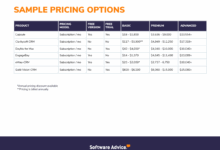
Salesforce offers various pricing tiers with different sets of features to cater to businesses of all sizes. For example, the Essentials plan is suitable for small businesses with basic CRM needs, while the Enterprise plan is more robust and includes advanced features like workflow automation and AI capabilities.
Pricing structure table
| Plan | Cost per User | Included Features | Additional Fees |
|---|---|---|---|
| Essentials | $25/user/month | Basic CRM functionalities | Additional storage or customization |
| Enterprise | $150/user/month | Advanced features, customization options | Training and support services |
Each pricing model has its own advantages and disadvantages. While subscription-based pricing offers flexibility, it can become costly for businesses with a large number of users. On the other hand, tiered pricing allows businesses to choose a plan that aligns with their specific needs and budget.
Implementation costs
In addition to subscription fees, businesses should also consider implementation costs when setting up Salesforce CRM. These costs can vary depending on the complexity of the implementation, the level of customization required, and the need for training and support services.
Negotiating pricing with Salesforce
Negotiating pricing with Salesforce for CRM solutions is possible, especially for large enterprise customers. Businesses can leverage their buying power, commit to long-term contracts, or bundle services to negotiate better pricing with Salesforce. It’s essential to have a clear understanding of your requirements and budget constraints before entering into pricing discussions.
Cost-saving strategies for Salesforce CRM
When it comes to optimizing Salesforce CRM usage and reducing costs, organizations can implement several strategies to maximize efficiency and save on expenses.
Automating Processes
Automating processes within Salesforce CRM can significantly reduce manual work, minimize errors, and improve overall productivity. By setting up workflows, triggers, and automation rules, organizations can streamline operations and save valuable time and resources.
Employee Training
Effective training for employees on how to use Salesforce CRM efficiently can lead to cost savings in the long run. Investing in comprehensive training programs ensures that staff are well-equipped to leverage the full potential of the platform, reducing the need for external support and increasing overall productivity.
Third-Party Integrations
Integrating third-party applications and tools with Salesforce CRM can help minimize costs by enhancing functionality and efficiency. By connecting Salesforce with other software solutions such as marketing automation platforms, analytics tools, or customer service applications, organizations can improve data sharing, streamline processes, and maximize the value of their CRM investment.
Total cost of ownership (TCO) for Salesforce CRM
Total cost of ownership (TCO) refers to the overall cost associated with implementing and maintaining a Salesforce CRM system. It includes not only the initial purchase or subscription cost but also ongoing expenses incurred over the system’s entire lifecycle. Understanding the TCO is crucial for organizations to make informed decisions and accurately budget for their CRM initiatives.
Components of TCO for Salesforce CRM
- Licensing fees: The upfront cost of purchasing Salesforce CRM licenses for users.
- Implementation costs: Expenses related to customization, configuration, data migration, and training.
- Integration costs: Costs associated with integrating Salesforce CRM with other systems or applications.
- Maintenance and support: Ongoing expenses for system updates, troubleshooting, and user support.
- Hardware and infrastructure: Costs for hardware, servers, and infrastructure needed to run the CRM system.
Ongoing Maintenance and Support in TCO
Ongoing maintenance and support are significant contributors to the total cost of ownership for Salesforce CRM. Regular updates, user training, technical support, and system enhancements all require resources and budget allocation. Organizations must consider these ongoing costs when calculating the TCO to ensure continued efficiency and effectiveness of their CRM system.
Calculating TCO for Salesforce CRM
To calculate the TCO for Salesforce CRM over a specific period, organizations should consider all the components mentioned earlier. They need to factor in not just the initial investment but also the recurring costs associated with maintaining and optimizing the system. By estimating expenses and projecting them over the system’s lifecycle, organizations can develop a comprehensive TCO analysis for better financial planning.
Overlooked Factors in Estimating TCO
- Customization and upgrades: Costs associated with future customization needs and system upgrades.
- Training and adoption: Expenses related to ongoing user training and ensuring high adoption rates.
- Data management: Costs of managing and cleaning data within the CRM system.
- Third-party apps and add-ons: Expenses for integrating third-party applications or add-ons to enhance CRM functionality.
Customization costs for Salesforce CRM
Customizing Salesforce CRM to meet specific business needs can be a crucial step in maximizing its benefits. However, this customization process often comes with its own set of costs that need to be carefully managed.
Third-Party Developers and Consultants Impact
Using third-party developers or consultants to customize Salesforce CRM can significantly impact customization costs. These professionals bring expertise and experience to the table, but their services come at a price. It is essential to weigh the benefits of their assistance against the additional expenses they may incur.
Balancing Customization with Cost Considerations
Finding the right balance between customization and cost considerations is key. It is important to prioritize customizations that directly align with business goals and provide tangible benefits. Unnecessary customizations can drive up costs without adding significant value.
Successful Customization Projects
Successful customization projects often involve a clear understanding of business requirements, effective collaboration between stakeholders, and a well-defined budget. By focusing on specific goals and outcomes, businesses can achieve successful customizations within a reasonable cost range.
Common Customization Features and Costs
Common customization features for Salesforce CRM include custom fields, workflows, reports, dashboards, and integrations. The costs associated with these features can vary based on complexity and scope. For example, adding a custom field may be relatively inexpensive, while developing a complex integration could be more costly.
User Training and Customization Expenses
User training is an essential component of customization expenses. Ensuring that employees are proficient in using the customized Salesforce CRM can help maximize its benefits and minimize support costs. Investing in comprehensive training programs can contribute to the overall success of customization efforts.
Pre-Built Salesforce AppExchange Solutions
Utilizing pre-built Salesforce AppExchange solutions can offer cost benefits compared to custom development. These solutions provide ready-made functionalities that can be easily integrated into Salesforce CRM, reducing the need for extensive customizations. Businesses can save time and money by leveraging existing AppExchange solutions.
In-House Customization vs. Outsourcing
The decision to handle customizations in-house or outsource them to a Salesforce consulting firm depends on various factors, including budget, expertise, and timeline. In-house customization may require dedicated resources and skills, while outsourcing can provide access to specialized knowledge and capabilities. Evaluating the pros and cons of each approach is essential in managing customization costs.
Ongoing Maintenance Costs Post-Customization
Managing ongoing maintenance costs post-customization is crucial for the long-term success of Salesforce CRM. Regular updates, troubleshooting, and enhancements may incur additional expenses over time. It is important to factor in these maintenance costs when planning for customization initiatives to ensure continued effectiveness and efficiency.
Implementation costs of Salesforce CRM
Implementing Salesforce CRM involves various costs that organizations need to consider for a successful deployment.
Different components contributing to implementation costs
- Software licensing fees
- Consulting services
- Data migration
- Training expenses
- Customization and integration
Role of consultants or implementation partners
Consultants or implementation partners play a crucial role in managing implementation costs by providing expertise, guidance, and support throughout the process.
Data migration and training expenses
Data migration and training expenses are essential components of implementation costs as they ensure a smooth transition and user adoption of Salesforce CRM.
Estimating time and resources required
Estimating the time and resources required for a successful Salesforce CRM implementation involves careful planning, considering factors like organizational size, complexity, and customization needs.
Cost implications of customization and integration
Customization and integration with existing systems during Salesforce CRM implementation can incur additional costs based on the level of complexity and the extent of customization required.
Impact of organizational size and complexity
The size and complexity of an organization can significantly impact the overall implementation costs of Salesforce CRM, as larger and more complex organizations may require more resources and customization.
Cost-saving strategies and best practices
- Proper planning and prioritization of customization
- Utilizing in-house resources effectively
- Investing in training to improve user adoption
Comparison of on-premise vs. cloud-based deployment
On-premise implementation of Salesforce CRM may involve higher initial costs for hardware and maintenance, while cloud-based deployment offers a more cost-effective and scalable solution with lower upfront expenses.
Licensing fees for Salesforce CRM
When it comes to Salesforce CRM, licensing fees play a crucial role in determining the overall cost of implementation and usage. These fees are structured based on the types of users within an organization and can vary depending on the level of access and functionality required.
Structure of Licensing Fees
- Salesforce offers different types of user licenses, such as Sales Cloud, Service Cloud, Marketing Cloud, and more, each with its own set of features and capabilities.
- The pricing for these licenses is typically based on a per-user, per-month subscription model, where organizations pay a set fee for each user accessing the CRM platform.
Volume Discounts and Special Pricing
- Larger organizations may be eligible for volume discounts or special pricing arrangements based on the number of licenses purchased or the duration of the contract.
- These discounts can help reduce the overall cost of Salesforce CRM implementation for organizations with a significant number of users.
Types of User Licenses
- Salesforce offers different types of user licenses, such as Standard, Professional, Enterprise, and Unlimited, each providing access to varying levels of features and functionalities.
- The cost associated with each type of license differs, with higher-tier licenses offering more advanced capabilities at a higher price point.
Adjusting Licensing for Cost Management
- Organizations may need to adjust their licensing structure based on the roles and responsibilities of their users to ensure they are not paying for features that are not being utilized.
- By aligning user licenses with specific job functions, organizations can effectively manage costs and maximize the value derived from Salesforce CRM.
Pricing Tiers for Salesforce CRM Licenses
| License Tier | Features | Limitations |
|---|---|---|
| Standard | Basic CRM functionality | Limited customization options |
| Professional | Enhanced features and customization | Higher price point |
| Enterprise | Advanced CRM capabilities | Increased cost but more comprehensive functionality |
Upgrading or Downgrading User Licenses
- Organizations have the flexibility to upgrade or downgrade user licenses within Salesforce CRM based on changing business needs.
- However, there may be associated costs with such changes, depending on the timing and terms of the contract.
Cost-Saving Strategies
- To optimize licensing costs, organizations can conduct regular reviews of user access and usage to identify opportunities for adjustments.
- Implementing a user license management strategy can help organizations avoid unnecessary expenses and ensure efficient use of Salesforce CRM.
Impact of Add-On Features
- Add-on features or modules in Salesforce CRM can impact the overall licensing costs, as organizations may need to purchase additional licenses to access these functionalities.
- It is important for organizations to carefully evaluate the necessity of add-on features to avoid unnecessary expenses and maintain cost-effectiveness.
Maintenance and support costs for Salesforce CRM
Ongoing maintenance and support services for Salesforce CRM are crucial for ensuring the system’s optimal performance and longevity. Salesforce provides continuous support, updates, and patches to address any issues and enhance the CRM’s functionality over time.
Budgeting for Maintenance and Support Costs
Organizations can effectively budget for maintenance and support costs by considering the following factors:
- Estimate the number of hours or resources needed for ongoing support based on the complexity of the CRM implementation.
- Allocate a specific budget for regular updates and patches to keep the CRM up-to-date and secure.
- Consider investing in additional training for staff to reduce support costs related to user errors or inefficiencies.
Importance of Regular Updates and Patches
Regular updates and patches are essential for minimizing long-term support expenses by:
- Addressing security vulnerabilities and preventing potential data breaches.
- Introducing new features and improvements that enhance user experience and productivity.
- Ensuring compatibility with other software systems and technologies to avoid integration issues.
Best Practices for Managing Maintenance and Support Costs
Organizations can maximize CRM efficiency while managing maintenance and support costs effectively by:
- Setting up a regular maintenance schedule to proactively address issues before they escalate.
- Utilizing self-service resources and community forums provided by Salesforce for quick troubleshooting and support.
- Engaging with Salesforce consultants or experts for specialized support and guidance on complex issues.
Integration costs with other systems
When integrating Salesforce CRM with other systems, there are various cost implications to consider. The complexity of the integration process can have a significant impact on the overall integration costs. It is important to understand the different factors that can influence the costs involved in integrating Salesforce CRM with third-party systems.
Factors influencing integration costs
- Customization Requirements: The more customization needed to integrate Salesforce CRM with other systems, the higher the integration costs.
- Data Volume and Complexity: Handling large volumes of data or complex data structures can increase integration costs.
- Integration Scope: Integrating multiple systems or modules can add to the complexity and cost of the integration process.
- Technical Expertise: The need for specialized skills or expertise to handle the integration can impact costs, especially if external consultants or developers are required.
Common integration scenarios and costs
- Integration with Marketing Automation Platforms: Costs can range from a few thousand dollars to tens of thousands, depending on the extent of integration and the complexity of data syncing.
- Integration with ERP Systems: Integrating Salesforce CRM with ERP systems can cost anywhere from $10,000 to $100,000, depending on the level of customization and data synchronization required.
- Integration with E-commerce Platforms: Costs can vary from a few thousand dollars to over $50,000, depending on the complexity of the e-commerce platform and the data integration needs.
Tips for managing integration costs efficiently
- Define Clear Objectives: Clearly outline the goals of the integration to avoid unnecessary customization or scope creep that can lead to higher costs.
- Choose the Right Integration Tools: Selecting the appropriate integration tools or platforms can help streamline the integration process and reduce costs in the long run.
- Regular Monitoring and Testing: Continuously monitor and test the integration to identify and address any issues early on, preventing costly rework later.
Training costs for Salesforce CRM
Training employees on Salesforce CRM is crucial for maximizing ROI and ensuring the successful adoption of the platform within an organization. Investing in comprehensive training programs can lead to long-term cost savings by increasing user proficiency and system utilization. Different training options are available for organizations implementing Salesforce CRM, including in-person training, online courses, and personalized coaching.
Importance of Training for Salesforce CRM
- Training employees on Salesforce CRM ensures that they are equipped with the necessary skills to effectively use the platform, leading to increased productivity and efficiency.
- Well-trained employees are more likely to adopt CRM best practices, resulting in improved data accuracy, better customer engagement, and higher ROI.
- Comprehensive training programs can help reduce errors, minimize downtime, and enhance overall user satisfaction with the CRM system.
Training Options for Salesforce CRM
- In-person training: Conducted on-site or at a training facility, providing hands-on experience and immediate feedback for employees.
- Online courses: Offer flexibility and accessibility, allowing employees to learn at their own pace and convenience.
- Personalized coaching: Tailored to individual learning styles and needs, offering one-on-one guidance and support for optimal skill development.
Customized Training Programs
- Developing a customized training program involves assessing the organization’s specific needs, goals, and employee skill levels.
- By tailoring training content and delivery methods to the organization’s requirements, companies can ensure maximum effectiveness and cost-efficiency.
- Regular evaluations and feedback mechanisms should be incorporated into the training program to monitor progress and make necessary adjustments.
Cost-Benefit Analysis of Training Methods
- In-person training may require higher upfront costs but can result in faster learning and better retention of information.
- Online courses are more cost-effective and scalable, suitable for organizations with dispersed teams or limited training budgets.
- Personalized coaching offers individualized attention but may be more expensive, especially for large-scale training initiatives.
Role of Ongoing Training and Refresher Courses
- Ongoing training and refresher courses are essential for maintaining high CRM user proficiency and ensuring long-term system utilization.
- Regular training updates help employees stay current with new features, updates, and best practices, maximizing the value derived from Salesforce CRM.
- Continuous learning opportunities foster a culture of innovation and continuous improvement within the organization, driving long-term success and cost savings.
Data migration costs to Salesforce CRM
Data migration to Salesforce CRM can pose challenges and incur costs that need to be carefully managed. It involves transferring existing data from various sources into the Salesforce platform, ensuring its accuracy, consistency, and usability.
Challenges and Costs
Data migration costs can vary depending on the volume and complexity of the data being transferred. Challenges such as data duplication, inconsistent formats, and data quality issues can lead to increased costs and project delays. It is essential to assess the data quality and complexity beforehand to estimate the migration costs accurately.
Importance of Data Cleansing and Preparation
Before migrating data to Salesforce CRM, it is crucial to clean and prepare the data to ensure its integrity and relevance. Data cleansing involves removing duplicates, standardizing formats, and resolving inconsistencies. By investing time and effort in data preparation, organizations can minimize migration costs by avoiding data errors and rework.
Estimating Data Migration Costs
The cost of data migration to Salesforce CRM can be estimated based on factors such as the volume of data, the number of data sources, data complexity, and the level of data quality. Organizations can use data profiling tools to analyze existing data and identify potential issues that may impact migration costs. By understanding the scope of the data migration project, organizations can develop a realistic budget and timeline.
Best Practices for Managing Data Migration Costs
To manage data migration costs effectively during a CRM implementation, organizations can follow best practices such as:
- Develop a comprehensive data migration strategy and plan
- Conduct a data audit to assess the quality and readiness of the data
- Engage data migration experts or consultants for guidance
- Use data migration tools and automation to streamline the process
- Regularly monitor and validate data during the migration process
By implementing these best practices, organizations can optimize data migration costs and ensure a successful transition to Salesforce CRM.
Cost comparison with other CRM solutions
When comparing the total cost of ownership of Salesforce CRM with other leading CRM solutions in the market, it is essential to consider various factors that can impact cost-effectiveness.
Key Differentiators of Salesforce CRM
- Customization Capabilities: Salesforce CRM offers extensive customization options without incurring high additional costs, unlike some other CRM solutions.
- Scalability: The ability to scale up or down easily with Salesforce CRM can result in cost savings in the long run compared to solutions that require significant investment for scalability.
- Integration Options: Salesforce CRM provides seamless integration with a wide range of third-party applications, reducing the need for costly custom development work.
Real-world Examples
Organizations like XYZ Inc. and ABC Corp. have successfully switched to Salesforce CRM to achieve cost savings through streamlined processes, reduced maintenance costs, and improved efficiency.
Choosing Salesforce CRM for Cost Considerations
It makes sense for organizations to opt for Salesforce CRM over other solutions when cost-saving is a priority, especially if they value flexibility, scalability, and ease of integration.
Detailed Cost Comparison Table
| CRM Solution | Initial Setup Costs | Subscription Fees | Customization Fees | Maintenance Costs |
|---|---|---|---|---|
| Salesforce CRM | $10,000 | $100/user/month | $5,000 | $2,000/year |
| CRM Solution A | $15,000 | $120/user/month | $7,000 | $2,500/year |
| CRM Solution B | $12,000 | $110/user/month | $6,000 | $2,200/year |
One cost-saving strategy unique to Salesforce CRM is its extensive library of pre-built solutions and templates, reducing the need for extensive customization work.
Calculating Potential Cost Savings
Organizations can calculate potential cost savings by switching to Salesforce CRM by considering factors such as the reduction in IT infrastructure costs, improved productivity leading to revenue growth, and the elimination of redundant systems. It is crucial to factor in scalability and additional features needed to accurately estimate the cost savings.
Hidden costs to consider when budgeting for Salesforce CRM
When budgeting for Salesforce CRM, organizations need to be aware of potential hidden costs that can significantly impact the total cost of ownership. These hidden costs often stem from customization, training, and ongoing support requirements that are sometimes overlooked during the initial budgeting phase.
Impact of Customization on Hidden Costs
Customization is a common requirement for Salesforce CRM to align with specific business processes. However, extensive customization can lead to hidden costs in terms of development hours, testing, and maintenance. Organizations must carefully assess the scope of customization needed and consider the long-term impact on costs.
Impact of Training on Hidden Costs
Training is essential to ensure successful adoption of Salesforce CRM within the organization. However, the cost of training programs, materials, and resources can often be underestimated. Organizations should allocate sufficient budget for comprehensive training to minimize the risk of hidden costs associated with inadequate user knowledge and support.
Impact of Ongoing Support on Hidden Costs
Ongoing support is crucial for maintaining the optimal performance of Salesforce CRM. Hidden costs may arise from the need for dedicated support staff, troubleshooting, upgrades, and additional integrations. Organizations should factor in the cost of ongoing support services to prevent unexpected expenses that can impact the overall budget.
Tips to Uncover and Account for Hidden Costs
– Conduct a thorough analysis of customization requirements and estimate the associated costs accurately.
– Allocate a realistic budget for training programs and ensure all users are adequately trained.
– Include ongoing support costs in the budget planning phase and consider long-term support needs.
– Regularly review and adjust the budget to account for any unforeseen hidden costs that may arise during the implementation and maintenance phases.
Examples of Hidden Costs Impacting Total Cost of Ownership
– A company underestimated the training costs for Salesforce CRM, leading to low user adoption and increased support requests, ultimately raising the total cost of ownership.
– Over-customization of Salesforce CRM without proper cost assessment resulted in significant development expenses and ongoing maintenance costs, impacting the overall budget allocation.
Best practices for securing customer data in e-commerce platforms
When it comes to e-commerce platforms, ensuring the security of customer data is paramount to maintaining trust and protecting sensitive information.
Role of Encryption Technologies
Encryption technologies play a crucial role in safeguarding sensitive customer information in online transactions. By encrypting data, it is scrambled into a format that can only be read with the corresponding decryption key, making it difficult for unauthorized parties to access or steal the information.
Common Security Vulnerabilities and Solutions
Some common security vulnerabilities in e-commerce platforms include SQL injection, cross-site scripting (XSS), and inadequate authentication measures. To address these effectively, businesses should regularly update software, implement strong authentication protocols, conduct security audits, and educate employees on best security practices.
Importance of Compliance with Data Protection Regulations
Compliance with data protection regulations such as GDPR and PCI DSS is crucial for e-commerce businesses to avoid fines, maintain customer trust, and protect sensitive data. These regulations outline specific requirements for data handling, storage, and security practices that must be followed to ensure legal and ethical operation.
Wrap-Up
In conclusion, navigating the realm of Salesforce CRM cost requires a keen eye for detail and a strategic approach. By implementing the right pricing models and leveraging cost-saving strategies, organizations can optimize their CRM investments for long-term success.
