AI-Powered CRM Software offers a groundbreaking approach to managing customer relationships, harnessing the power of artificial intelligence to enhance business processes and drive growth. From personalized customer insights to streamlined automation, this innovative technology is reshaping the way companies interact with their clientele. Dive into the world of AI-Powered CRM Software and discover the future of customer relationship management.
Overview of AI-Powered CRM Software
AI-Powered CRM software integrates artificial intelligence capabilities to enhance customer relationship management processes. By leveraging AI algorithms, CRM systems can analyze vast amounts of data, automate tasks, predict customer behavior, and personalize interactions.

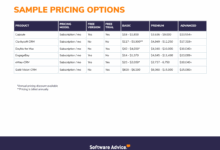



Examples of AI Enhancements in CRM Systems
- AI-powered lead scoring: Machine learning algorithms analyze customer data to prioritize leads based on their likelihood to convert, improving sales efficiency.
- Natural language processing (NLP): AI enables CRM systems to interpret and respond to customer queries in real-time through chatbots or virtual assistants, enhancing customer service.
- Predictive analytics: AI algorithms forecast future trends and customer needs, helping businesses make informed decisions and tailor marketing strategies.
Benefits of Using AI in CRM Solutions
- Enhanced customer insights: AI algorithms can sift through vast amounts of data to provide valuable customer insights, enabling businesses to deliver more personalized experiences.
- Increased efficiency: Automation of repetitive tasks and intelligent recommendations help streamline workflows, saving time and resources.
- Improved customer engagement: AI-powered CRM systems enable proactive engagement with customers through personalized recommendations, increasing loyalty and satisfaction.
Features of AI-Powered CRM Software
AI-powered CRM software offers a wide range of features that leverage artificial intelligence to enhance customer relationship management. These features enable businesses to streamline processes, personalize interactions, and make data-driven decisions. Let’s explore some key features of AI-driven CRM platforms:
1. Advanced Data Analytics
AI-powered CRM systems use advanced analytics to analyze vast amounts of customer data in real-time. This enables businesses to gain valuable insights into customer behavior, preferences, and trends, allowing for more personalized and targeted marketing campaigns.
2. Predictive Lead Scoring
AI algorithms in CRM software can predict the likelihood of a lead converting into a customer based on historical data and customer interactions. This helps sales teams prioritize leads and focus their efforts on high-potential prospects.
3. Automated Customer Support
AI-powered CRM platforms often feature chatbots and virtual assistants that can provide immediate assistance to customers, answer common queries, and escalate complex issues to human agents when necessary. This improves response times and enhances customer satisfaction.
4. Natural Language Processing (NLP)
NLP technology allows AI-powered CRM systems to understand and interpret human language, enabling more natural and engaging interactions with customers. This enhances the overall customer experience and helps businesses build stronger relationships with their customers.
5. Machine Learning for Personalization
Machine learning algorithms in AI-powered CRM software can analyze customer data to create personalized recommendations, content, and offers. This level of personalization helps businesses engage customers more effectively and drive sales.
6. Customer Behavior Prediction
AI in CRM applications can analyze historical customer data to predict future behavior and preferences. By understanding customer needs and preferences in advance, businesses can tailor their offerings and marketing strategies to meet individual customer needs.
7. Enhanced Sales Forecasting
AI-powered CRM software can provide accurate sales forecasts based on historical data, market trends, and customer behavior. This helps businesses make informed decisions and adjust their strategies to optimize sales performance.
Overall, AI-powered CRM software revolutionizes customer relationship management by providing businesses with powerful tools to improve efficiency, personalize interactions, and drive growth.
Implementation of AI in CRM
AI integration into CRM software involves a systematic process to leverage the power of artificial intelligence for enhancing customer relationship management. Successful implementation requires careful planning, training models, and addressing data quality and privacy concerns.
Integrating AI into CRM Software
- Identify key areas in CRM where AI can add value, such as customer segmentation, lead scoring, and personalized recommendations.
- Select AI technologies that align with your business goals, such as machine learning algorithms, natural language processing (NLP), and predictive analytics.
- Integrate AI tools into CRM platforms through APIs, custom development, or third-party solutions to ensure seamless functionality.
Best Practices for Successful AI Implementation
- Define clear objectives and KPIs to measure the impact of AI on CRM performance.
- Involve cross-functional teams in the implementation process to ensure alignment with business strategies.
- Provide adequate training and resources to employees to maximize the use of AI-powered CRM systems.
Challenges in Adopting AI-Powered CRM Solutions
- Data quality issues can impact the accuracy of AI models and insights generated from CRM data.
- Ensuring data privacy and compliance with regulations when using customer data for AI applications.
- Resistance to change and lack of understanding about the benefits of AI among employees.
Training AI Models for CRM Applications
- Collect and label data for training AI models, ensuring a diverse and representative dataset.
- Use supervised learning techniques to teach AI algorithms to recognize patterns and make predictions in CRM tasks.
- Continuously evaluate and refine AI models based on feedback and new data to improve accuracy and performance.
AI Technologies in CRM Systems
- Machine learning algorithms for predictive analytics and customer behavior analysis.
- Natural language processing (NLP) for sentiment analysis, chatbots, and personalized customer interactions.
- Image recognition for visual search and product recommendations in e-commerce CRM systems.
Benefits of AI in CRM
- Enhanced customer segmentation and personalized marketing campaigns for improved customer engagement.
- Increased efficiency and productivity with automated processes and predictive insights in CRM operations.
- Improved customer satisfaction through personalized interactions and timely responses to inquiries.
Natural Language Processing (NLP) in CRM
- NLP enables CRM systems to analyze and understand customer feedback, emails, and social media interactions for better customer service.
- Chatbots powered by NLP can provide real-time support and personalized recommendations to customers, enhancing their experience.
Data Quality and Privacy Considerations
- Ensure data integrity and accuracy to avoid biases and errors in AI models trained on CRM data.
- Implement strict data privacy policies and security measures to protect sensitive customer information processed by AI systems.
- Regularly audit and monitor data usage to maintain compliance with data protection regulations and build trust with customers.
Personalization and Customer Insights
AI plays a crucial role in personalizing customer experiences within CRM systems by leveraging data analytics and machine learning algorithms. This enables businesses to tailor their interactions with customers, anticipate their needs, and enhance overall satisfaction.
Analyzing Customer Data
AI-powered CRM software utilizes advanced algorithms to analyze vast amounts of customer data, including purchase history, browsing behavior, demographics, and communication preferences. By processing this data, AI can identify patterns, trends, and correlations that provide valuable insights into customer behavior.
- AI segments customers based on their preferences, behaviors, and interactions with the business.
- AI predicts future actions and preferences of customers, allowing businesses to proactively address their needs.
- AI recommends personalized products or services to individual customers based on their past interactions.
Real-world Examples
One real-world example of AI algorithms predicting customer behavior is the use of recommendation engines by e-commerce platforms. These engines analyze customer browsing and purchase history to suggest products that are likely to interest the customer, increasing the chances of a successful sale.
Comparison Table: Traditional vs. AI-powered Customer Insights
| Traditional Customer Segmentation | AI-powered Customer Insights |
|---|---|
| Manual process based on limited data. | Automated analysis of large datasets for accurate insights. |
| Static segmentation that may not reflect current customer behavior. | Dynamic segmentation that adapts in real-time based on customer interactions. |
| Less personalized interactions with customers. | Highly personalized recommendations and communications. |
Ethical Considerations
Businesses utilizing AI for customer personalization must consider ethical implications, such as data privacy, transparency in AI decision-making, and the potential for algorithmic bias. It is essential to prioritize customer trust and ensure that AI-driven personalization is used responsibly and ethically.
Automation in CRM with AI
AI-driven automation plays a crucial role in streamlining CRM processes, improving efficiency, and enhancing customer relationships. By automating routine tasks, AI can significantly impact sales and marketing workflows, optimizing resources and saving time for businesses.
Significance of AI-Driven Automation
AI automates routine tasks in CRM processes, such as data entry, lead scoring, and email responses. This automation frees up valuable time for sales and marketing teams to focus on more strategic activities, ultimately improving productivity and efficiency.
Impact on Sales and Marketing Workflows
- AI can automate lead qualification and scoring, ensuring that sales teams prioritize high-potential leads.
- Automated email responses based on customer behavior and preferences can increase engagement and conversion rates.
- AI-powered chatbots can handle customer inquiries and provide personalized assistance, improving customer experience.
Benefits of AI-Driven Automation
AI-driven automation not only saves time but also optimizes resources by reducing manual errors and increasing accuracy in CRM processes. This results in improved customer satisfaction, more effective sales strategies, and better decision-making based on data-driven insights.
Cost Savings and Efficiency
Compared to traditional manual methods, AI automation in CRM processes can lead to significant cost savings for businesses. By reducing the need for manual intervention and streamlining workflows, organizations can achieve higher efficiency and productivity levels.
Personalization and Customer Relationship Management
- AI enables personalized customer interactions by analyzing data to tailor product recommendations and communication based on individual preferences.
- Enhanced customer relationship management through AI helps businesses build stronger connections with customers, leading to increased loyalty and retention rates.
Data Security and Privacy in AI-Powered CRM
Data security and privacy are crucial aspects when it comes to AI-powered CRM systems. With the vast amount of customer data being processed and analyzed, maintaining the confidentiality and integrity of this information is of utmost importance.
Importance of Data Security in AI-Driven CRM Systems
Maintaining data security in AI-driven CRM systems is essential to protect sensitive customer information from unauthorized access or breaches. AI helps in implementing robust security measures, such as encryption and access controls, to safeguard data from potential threats and vulnerabilities.
How AI Helps in Maintaining Customer Data Privacy
AI plays a key role in maintaining customer data privacy by automating data protection processes and identifying potential security risks in real-time. Machine learning algorithms can detect unusual patterns or anomalies in data access, helping to prevent unauthorized usage and ensuring compliance with data privacy regulations.
Strategies for Ensuring Data Protection While Using AI in CRM
- Implementing encryption techniques to secure data both at rest and in transit.
- Regularly monitoring and auditing access to sensitive customer information.
- Training employees on data security best practices and protocols.
- Complying with data privacy regulations, such as GDPR, to protect customer rights.
- Conducting regular security assessments and penetration testing to identify potential vulnerabilities.
Integration Capabilities of AI CRM Software
AI-powered CRM solutions offer seamless integration with a variety of business tools, enhancing the overall efficiency and effectiveness of customer relationship management processes. By integrating AI technology with other applications, organizations can streamline workflows, improve data accuracy, and provide a more personalized customer experience.
Examples of Seamless Integrations
- Integration with Email Marketing Platforms: AI CRM software can easily integrate with popular email marketing tools like Mailchimp or Constant Contact to automate personalized email campaigns based on customer behavior and preferences.
- Integration with E-commerce Platforms: AI CRM systems can be integrated with e-commerce platforms such as Shopify or Magento to track customer interactions, analyze purchase patterns, and provide tailored product recommendations.
- Integration with Help Desk Software: Seamless integration with help desk software like Zendesk or Freshdesk enables AI CRM solutions to provide real-time customer support, handle tickets efficiently, and improve customer satisfaction levels.
Advantages of Unified Platform through AI Integration
- Centralized Data Management: Integration of AI CRM software with other business tools allows for centralized data storage and management, eliminating silos and ensuring data consistency across all systems.
- Enhanced Automation: A unified platform through AI integration enables automated workflows, reducing manual tasks, improving efficiency, and enabling employees to focus on high-value activities.
- Improved Decision-Making: By integrating AI technology with CRM software, organizations can gain valuable insights from data analysis, predictive analytics, and trend forecasting, leading to informed decision-making and strategic planning.
Customer Service and Support with AI in CRM
AI plays a crucial role in enhancing customer service interactions in CRM systems by providing personalized and efficient support to customers. Let’s explore how AI improves customer service in CRM.
AI Chatbots and Virtual Assistants
AI-powered chatbots and virtual assistants are revolutionizing customer support in CRM. These intelligent tools can quickly respond to customer queries, provide relevant information, and even assist in resolving issues. For example, chatbots can handle common customer inquiries, freeing up human agents to focus on more complex tasks. Virtual assistants can also personalize interactions by accessing customer data and history, offering tailored recommendations and solutions.
Impact on Response Times and Customer Satisfaction
AI in CRM significantly improves response times by providing 24/7 support and instant responses to customer queries. This leads to increased customer satisfaction as customers receive timely assistance and solutions to their problems. By leveraging AI, companies can streamline their support processes, reduce wait times, and deliver a more seamless customer experience.
Enhanced Customer Interactions
AI enables CRM systems to analyze customer data and behavior, allowing companies to anticipate customer needs and preferences. By providing personalized recommendations and proactive support, AI helps build stronger relationships with customers. This leads to increased customer loyalty and retention, as customers feel valued and understood by the company.
Scalability and Flexibility of AI CRM Solutions
AI-powered CRM systems offer a high level of scalability and flexibility to adapt to the changing needs of businesses. These systems can efficiently handle the growth of data volume, customer interactions, and evolving business requirements.
Adaptability to Business Growth
AI-driven CRM platforms are designed to scale up seamlessly as businesses grow. They can handle the increasing volume of customer data, interactions, and transactions without compromising performance.
Scalability Options in AI-Driven CRM Platforms
- Cloud-based infrastructure for easy scalability
- Elastic computing resources to accommodate fluctuating demands
- Scalable storage solutions for growing data volumes
Flexibility in Customizing CRM Solutions
AI enables flexibility in customizing CRM solutions to meet specific business requirements. It allows for real-time adjustments and personalized customization options based on evolving needs.
Automated Adjustment to Data Volume Changes
AI CRM solutions can automatically adjust to changes in data volume by optimizing processes, allocating resources efficiently, and ensuring consistent performance even with large datasets.
Benefits of AI in Accommodating Increased Customer Interactions
- Enhanced customer engagement and personalized interactions
- Improved response times and service quality
- Scalable customer support options for growing user base
Scaling Up AI CRM Solutions for Growing Businesses
Businesses can scale up AI CRM solutions by adding more computing resources, expanding storage capacity, and integrating advanced AI capabilities to meet the needs of expanding operations.
Role of AI in Real-time Customization of CRM Solutions
AI plays a crucial role in allowing real-time customization of CRM solutions based on evolving business requirements. It analyses customer behavior patterns to suggest personalized customization options.
Impact of AI-Driven Flexibility on User Adoption
AI-driven flexibility in CRM systems enhances user adoption and satisfaction by providing tailored solutions, personalized recommendations, and seamless user experiences.
Use Cases and Industry Applications
AI-powered CRM systems have revolutionized the way businesses manage customer relationships, offering a wide range of benefits and functionalities that traditional CRM systems cannot match. Let’s delve into how AI is utilized in CRM, the specific features of AI-powered CRM platforms, the role of machine learning algorithms, and the industries successfully implementing AI in their CRM strategies.
Utilization of AI in CRM
AI is utilized in CRM systems to analyze vast amounts of customer data, predict customer behavior, personalize interactions, automate tasks, and provide valuable insights for decision-making. By leveraging AI algorithms, businesses can enhance customer engagement, improve sales processes, and increase customer satisfaction.
Features of AI-powered CRM Platforms
– Predictive Analytics: AI-powered CRM platforms use predictive analytics to forecast customer behavior and trends, enabling businesses to anticipate customer needs and preferences.
– Chatbots and Virtual Assistants: AI-driven CRM systems incorporate chatbots and virtual assistants to provide real-time customer support and streamline communication processes.
– Sentiment Analysis: AI algorithms analyze customer feedback and sentiment to gauge customer satisfaction levels and identify areas for improvement.
– Lead Scoring: AI-powered CRM platforms automate lead scoring processes, helping businesses prioritize leads based on their likelihood to convert.
Role of Machine Learning Algorithms
Machine learning algorithms play a crucial role in enhancing CRM processes by continuously learning from data patterns, improving predictions, and optimizing customer interactions. These algorithms enable businesses to create personalized experiences, automate routine tasks, and drive operational efficiency.
Benefits of AI-driven CRM vs. Traditional CRM
AI-driven CRM systems offer several advantages over traditional CRM systems, including:
– Enhanced Customer Insights: AI-powered CRM platforms provide deeper customer insights and predictive analytics capabilities.
– Increased Efficiency: Automation in AI CRM systems streamlines processes, reduces manual workload, and boosts productivity.
– Personalized Interactions: AI enables businesses to deliver personalized customer experiences at scale, building stronger relationships and driving loyalty.
– Improved Decision-making: AI-driven CRM systems empower businesses to make data-driven decisions based on real-time insights and trends.
Key Industries Implementing AI in CRM
| Industry | Successful AI Implementation in CRM |
|---|---|
| Retail | AI-powered CRM systems in retail analyze customer data to offer personalized recommendations and improve sales performance. |
| Finance | Financial institutions use AI in CRM to enhance customer service, detect fraud, and optimize marketing campaigns. |
| Healthcare | Healthcare providers leverage AI in CRM to deliver personalized patient care, improve patient outcomes, and streamline administrative processes. |
Company X improved customer engagement by 30% and saw a 20% increase in customer retention rates after implementing AI-powered CRM.
Company Y streamlined its sales processes and achieved a 25% increase in lead conversion rates with AI-driven CRM solutions.
Training and User Adoption of AI CRM Systems
Effective training and user adoption are crucial for maximizing the benefits of AI-powered CRM systems in an organization. Here we will delve into the training requirements, strategies for promoting user adoption, and tips for onboarding employees onto AI-driven CRM platforms.
Training Requirements for Users
- Basic understanding of CRM concepts and functionalities.
- Familiarity with AI technology and its applications in CRM.
- Hands-on training on using AI features within the CRM software.
- Ongoing learning to stay updated on new AI capabilities and updates.
Strategies for Promoting User Adoption
- Highlight the benefits of AI CRM in improving efficiency and customer experience.
- Provide interactive training sessions with real-life scenarios for practical application.
- Create incentives or rewards for users who actively engage with AI features.
- Offer continuous support and resources for users to troubleshoot issues or queries.
Tips for Onboarding Employees
- Assign dedicated trainers to guide employees through the initial learning curve.
- Encourage peer-to-peer knowledge sharing to enhance understanding and adoption.
- Customize training modules based on the roles and responsibilities of different users.
- Regularly solicit feedback from users to identify areas for improvement in training programs.
Analytics and Reporting with AI in CRM
AI plays a crucial role in enhancing analytics and reporting capabilities in CRM systems. By leveraging AI technology, businesses can generate valuable insights from the vast amount of data collected within their CRM platforms.
AI-Driven Predictive Analytics
AI-driven predictive analytics in CRM reporting allows businesses to forecast customer behavior and trends accurately. This advanced technology analyzes historical data to identify patterns and predict future outcomes. For example, AI can predict which leads are most likely to convert into customers based on their interactions and engagement history.
- AI algorithms can analyze customer data to identify buying patterns and preferences, enabling businesses to personalize their marketing strategies effectively.
- By incorporating AI in CRM reporting, businesses can forecast customer churn rates and take proactive measures to retain valuable customers.
- AI-powered analytics can provide real-time insights into sales performance, helping organizations make data-driven decisions to improve their bottom line.
Customization and Configuration of AI CRM Platforms
When it comes to AI CRM platforms, customization and configuration play a crucial role in tailoring the system to meet specific business needs. By fine-tuning AI features and options, organizations can optimize their CRM solutions for enhanced efficiency and effectiveness.
Process of Customizing AI Features
- Identify specific business requirements and objectives for AI integration in CRM.
- Assess the available AI features and tools within the CRM platform.
- Customize AI algorithms, workflows, and processes to align with business goals.
- Test and refine the customized AI features to ensure they deliver the desired outcomes.
Role of Configuration Options in CRM Solutions
- Configuration options allow users to adjust settings, rules, and parameters within the CRM system.
- Customize data fields, user interfaces, and automation rules to fit specific business needs.
- Enable or disable AI functionalities based on preferences and requirements.
Best Practices for Optimizing AI Configurations
- Regularly assess and update AI configurations to adapt to changing business dynamics.
- Involve key stakeholders in the customization process to ensure alignment with organizational goals.
- Monitor and analyze the performance of customized AI features to make data-driven decisions.
Integrating Third-Party AI Tools into CRM Systems
- Evaluate the compatibility and capabilities of third-party AI tools with the CRM platform.
- Integrate AI APIs or plugins to enhance the existing AI functionalities in CRM.
- Ensure seamless data flow and communication between the CRM system and external AI tools.
Successful AI Feature Customizations for Improved Customer Satisfaction
- Personalized product recommendations based on customer behavior and preferences.
- Automated customer service chatbots for immediate and accurate responses to inquiries.
- Predictive analytics for proactive customer engagement and targeted marketing campaigns.
Importance of User Training for Customized AI Features
- Provide comprehensive training to users on how to leverage and interact with customized AI features.
- Offer ongoing support and resources to help users maximize the benefits of AI configurations in CRM.
- Empower users to provide feedback and suggestions for continuous improvement of AI features.
Future Trends in AI-Powered CRM Software
Artificial Intelligence (AI) has already revolutionized the way Customer Relationship Management (CRM) software operates, but the future holds even more exciting developments in this space. Let’s delve into the emerging trends that will shape the future of AI-powered CRM software.
Advancements in AI Algorithms for CRM Applications
One of the key trends in AI-powered CRM software is the continuous advancement in AI algorithms. As technology progresses, we can expect more sophisticated algorithms that can analyze and interpret customer data with higher accuracy and efficiency. These advancements will enable CRM systems to provide more personalized and relevant insights to businesses, leading to better decision-making and enhanced customer experiences.
Integration of Natural Language Processing (NLP) and Sentiment Analysis
In the future, AI-powered CRM software will likely incorporate advanced Natural Language Processing (NLP) capabilities to understand and analyze customer interactions more effectively. This will enable CRM systems to extract valuable insights from customer conversations, emails, and social media interactions, allowing businesses to tailor their approach based on customer sentiment and preferences.
Predictive Analytics and Machine Learning
Another trend to watch out for is the increased use of predictive analytics and machine learning in AI-powered CRM software. By leveraging historical data and patterns, CRM systems will be able to predict customer behavior, anticipate their needs, and proactively engage with them. This proactive approach can help businesses improve customer retention, increase sales, and drive overall growth.
Augmented Reality and Virtual Reality Integration
As technology continues to evolve, we can also expect to see the integration of augmented reality (AR) and virtual reality (VR) in AI-powered CRM software. These immersive technologies can enhance customer engagement by providing interactive experiences, virtual product demonstrations, and personalized recommendations. By incorporating AR and VR capabilities, businesses can create unique and memorable interactions with their customers, ultimately strengthening brand loyalty.
Enhanced Data Security and Privacy Measures
With the increasing emphasis on data privacy and security, future AI-powered CRM software will likely focus on implementing robust measures to protect customer information. From encryption protocols to secure data storage practices, CRM systems will need to prioritize data security to build trust with customers and comply with evolving regulations.
Ultimate Conclusion
In conclusion, AI-Powered CRM Software presents a transformative solution for businesses looking to elevate their customer relationship management strategies. By leveraging the capabilities of artificial intelligence, organizations can unlock new levels of efficiency, personalization, and data-driven decision-making. Embrace the power of AI in CRM today and stay ahead of the curve in a rapidly evolving digital landscape.
